


In 2026, the African music landscape is shifting away from a singular focus on Afrobeats and Amapiano towards ”post-genre” era defined by hyper-local fusions and experimental underground sounds. This evolution is driven by a younger generation of independent, “genre-fluid” artists.
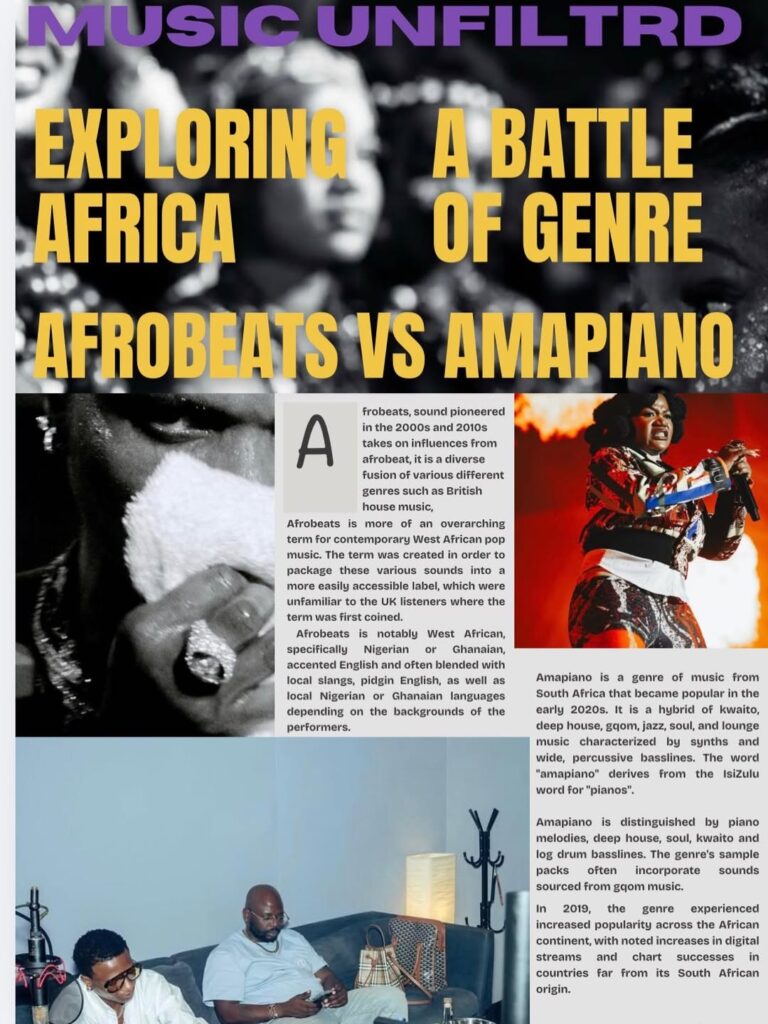
In South-Africa for instance, Lekompo and Bacardi house are staking a serious claim as the country’s next exports ready-rounds, rooted in specific communities yet engineered for wide circulation. Meanwhile, Krio Fusion is positioning Sierra Leone for a long overdue shift from the margins to the centre, while Way-Way has embedded itself in the Algerian youth culture, spreading wide through You-Tube links and Street-Level circulation.
Taking an introspective dive into the genres and scenes making inroads throughout the African continent in 2026 from South Africa’s Lekompo to Senegal’s Krio Fusion, Algeria’s Way-Way and more.
As we taking this amazing journey into the windows and doors of 2026, INTALKS.AFRICA is with utmost promptness compiling a list of the most exciting and fascinating new genres emerging from across the continents as each passing year introduces new sounds and approaches that expands the cannon of African Music-local movements that, at times, ripple outward and resonances on the global stages.
- Key Trends & Evolution:
- “2026 is the New 2016”: A wave of nostalgia is driving a shift, recalling the 2016 breakthrough moment of Afrobeat and building upon it to create more, diverse, and globally influential sounds.
- Community-Driven Music: A shift from purely viral, chart-driven music to artists focusing on building dedicated, localized, and digital communities.
- Organic & Emotional Sounds: A rise in more intimate, “soft,” and authentic musical styles as a contrast to intense pop, embracing real instruments and storytelling.
- African Ownership: The industry is moving from being “discovered” to owning its sound and platforms, seen through initiatives like the AFRIMMA 2026 Awards.
1] BACARDI HOUSE (SOUTH AFRICA)
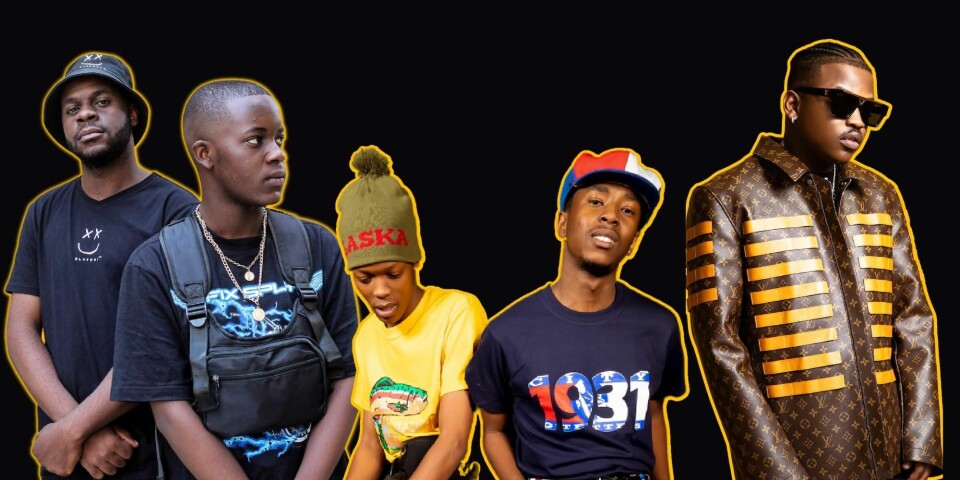
Blaqnick & Masterblaq, Mellow & Sleazy and Focalistic.
Out of the confusion of musical genre redundancies in South Africa emerged and birthed Bacardi house also known as ‘Lezenke’- a bare-bones sonic rebellion that challenged the frustrations of township youth in Pretoria, roughly 60km north of Johannesburg, driven by the singular visions of DJ Mujava and the late Spoko. It was urgent, stripped off the post-2000 sheen that mainstreamed music had embraced. School kids devoured it, taxis couldn’t stop playing it, and purist were properly irritated.
The sound never disappointed, instead, it remained a mainstay of underground culture, resurfacing at pivotal moments in South African history. It re-entered mainstream conversation when artists like Focalistic began folding it into their amapiano hybrids, piquing public interests and pulling new listeners in. Last Year, almost by accident, Big Baller CEO’s ‘Hlaba O Be Wete’ became a trending sound across social media, marking a significant transition for the genre. Still, these breakthrough moments are sustained by artists who continue to put in work long after the spotlight fades– figures like Ennyman Da Guitar and Sia song ‘The Bee’. In 2026, Bacardi House seems poised to grow even stronger on the foundation that has been laid, and it will be interesting to see who carries the conversation forward this time around.
The mid-2000s marked a pivotal moment in the evolution of South African electronic music. Black and Brown communities were beginning to see through the smokescreen of post-’94 liberation, and the music needed to reflect that awakening. Kwaito had run its course, laying the groundwork for faster, more rebellious variants to take centre stage. From the coastal city of Durban came ‘Durban Kwaito, with Artists like DJ Tira and Zakes Bantwini accelerating the tempo and foregrounding their locale, while the interior struggled to reconfigure itself amid an influx of house variants springing up across the country.’
- Origin: The sound grew out of Pretoria (Pitori) around 1998-2000s, with DJ Spoko (linked to DJ Mujava’s “Township Funk”) being a major pioneer.
- Characteristics: It is often described as “persuasive” and “gritty” percussion-heavy music.
- Influence on Modern Sound: Bacardi has heavily influenced current South African sounds, including amapiano, which often incorporates its characteristic log drum basslines.
- Cultural Significance: The genre was closely linked to local taxi culture and “cue marshals” in Pretoria who helped disseminate early, raw tapes of the music.
- Key Artists: DJ Spoko, DJ Mujava, and newer artists like Mellow and Sleazy often incorporate these sounds.
Think of the first amapiano song you ever heard. Chances are that whatever track introduced you to the genre doesn’t sound like the latest you’ve heard from it. Perhaps that’s one of amapiano’s greatest strengths, or what sets it apart from other music genres: its constant mutation and evolution, especially within short periods of time.
While the debatable birthplace of the genre often points to townships in Johannesburg, many enthusiasts argue and rather mention those of Pretoria. Before these conflicting remarks, however, there was a sound uncontestedly birthed in the city now known as Tshwane. During the 2000s, artists and DJs/producers such as DJ Mujava, DJ Spoko, House Station, Mzo Bullet, and others pioneered Bacardi house and what was commonly known as “sgubhu saPitori” with songs such as”Township Funk” “Tobetsa,” “Casablanca” and “Mugwanti.”
Due to these aforementioned, era-defining hits, many mainstream amapiano artists, particularly those that come from Pretoria have cited Mujava as their inspiration. Focalistics, who is always vocal about the influence bacardi house has in his music, “we are the children of Mujava.” The opening track to his 2021 EP President Ya Straata is a heartwarming ode to the genre, aptly titled Barcardi Ke Religion (which translates to “bacardi is a religion”). On “16 days to sleep,” from the same EP, Foca borrows the refrain “vele vele vele vele / vele vele vele vele,pash pash pash pash pash / masubelele… o ke patje o mo wete / o ke leGogo le le sharp” from an underground Bacardi hits. The song also interpolates the bassline of DJ Nyiko’s “Sweety Ngwago Ke Busy,” another beloved bacardi hit.
Similarly, DJ Dadaman (of Team Skorokoro fame) revived the popular “Miami(You’ve Got The Power)” by slowing it down and incorporating the log drum, giving it a 2021 face lift for his song of the same name. A growing trend within some recent amapiano hits.
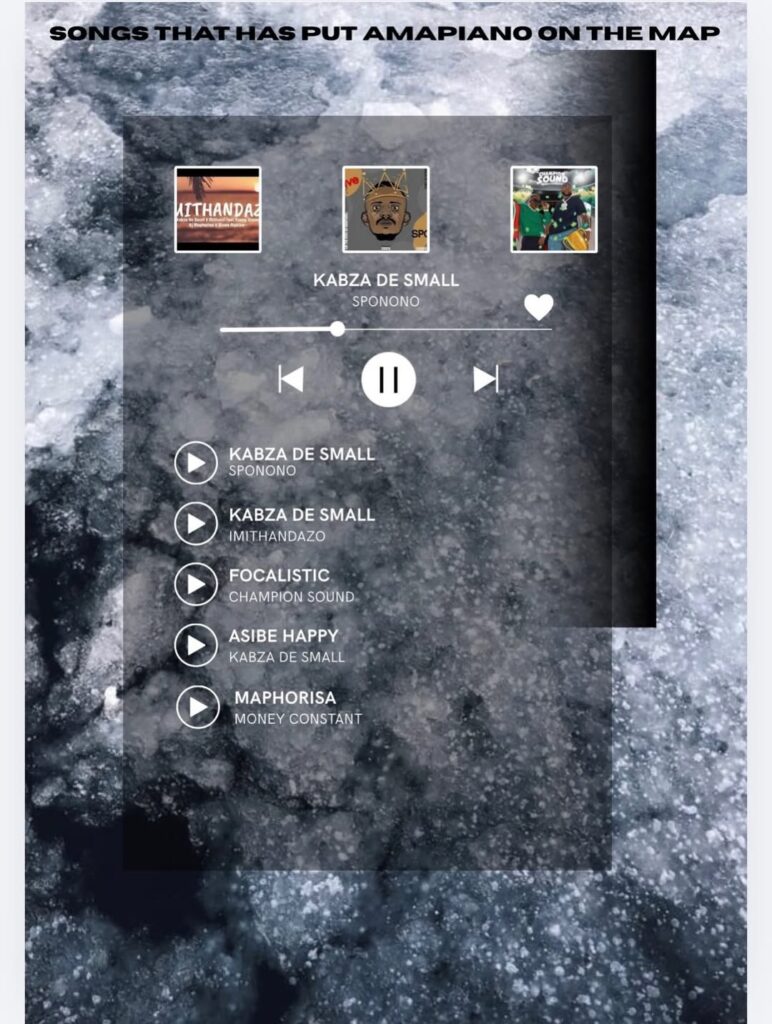
In Mokowe productions’ Mzongkonko Amapiano music production, Shuffle Muzik (one half of Team Mosha) mentions jazz, kwaito and bacardi as the building blocks of amapiano. Acts such as Team Mosha, Pencil & Zing Master and Team Skorokoro were “pushing piano“ pre-2019 — before it became fashionable to do so in the mainstream. However, they are often overlooked and omitted in conversations, mainly because their sound was unique, raw and stylistically had traces of bacardi, which as a genre also sometimes suffered from the same prejudice on the national scale.
“When bacardi was introduced in the hood, it captured excessive celebration spirits in the ears of the people,” shares Blaqnick, of the Atteridgeville-bred duo Blaqnick & MasterBlaq, the architects behind the hits Whistling Man, La Mezcla (B&M Revisit) and Khuza Gogo. “Back then, when bacardi was the genre, it had its own unique lifestyle. Clubs, taverns, gatherings, and events were dominated by the genre so extensively. Memories were created back then. The dance moves were fire. Peoples‘ adrenalines were fired up whenever they heard bacardi playing.”
The once popular bacardi house sound has been experiencing a renaissance through amapiano. This second coming, and fusion of the two genres started showing its face to the earth in mid-2021 on songs such as the recently officially released (but leaked) hit track “Trust Fund” from DJ Maphorisa (& Madumane), Kabza De Small, Focalistic and the late Mpura, produced by Mellow & Sleazy.
“There’s ‘new age bacardi’ that the young producers are doing, by blending it with elements of piano,” shared DJ Maphorisa, during his intimate conversation with Kabza De Small, for Black Crown’s Crowning movement. “Even the tempo has been slowed down. The old bacardi used to be around 120/122 bpm, and the new iteration sits at 113/112 bpm. Pretorian producers have merged the two sounds; they’re using signature bacardi snares and hi-hats,” the super-producer continues.
Production duo Mellow & Sleazy have been spearheads, and are leading the pack. The Tshwane-natives — who hail from the townships of Ga-Rankuwa and Soshanguve — grew up being surrounded by the gritty, distorted sounds of bacardi house blasting through the speakers of neighbours or from jukeboxes of nearby taverns. The sound is therefore authentic and comes natural to them. Sleazy supported this notion when he confessed, “it’s not that difficult to mix bacardi and piano because it’s almost the same thing,”.
“Rekere, nkwari, you can choose what you call it,” Sleazy revealed after Robot Boii tells them that they almost have their own [sub]genre of ‘piano. “I don’t know how this sound was created, but it’s a sound from Pretoria. It’s that particular sound. If you come from Pretoria, you know that sound. You hear it and then you lose your morals, you just go crazy.”
In the clip, the duo breaks down how their smash 2021 hit “Bopha” came out. The song, which employs their signature hybrid style, has proven to be a success as it has achieved platinum selling status. Another track of theirs, the Ch’cco-assisted viral hit “Nkao Tempela” has amassed millions of streams. However, when the song dropped in November 2021, social media was split between loving it, and confusion — mainly because of its unorthodox approach and style. Many defenders of the song attributed the hate to people not understanding Sepitori (Pretorian lingo) and Pitori culture and sound. During that time, Mellow & Sleazy even tweeted, “Nkao Tempela is basically a bacardi track with a hip hop broer trapping on it.” The “ko morago / ko morago / ko morago / hayi ko morago” lyric in the song’s intro references yet another old school Pretorian track, DJ Strongbow’s “Ko Morago.”
Before Mellow & Sleazy popularised the hybrid style, Blaqnick & MasterBlaq had already been experimenting with the sound. Like many ‘piano producers, they often collaborate with other artists who are on the same wavelength as them. In September 2021, they all teamed up on “Berete.” As the originators Blaqnick & MasterBlaq continues to champion the wave on tracks like “Top 7,” “Underdogs“ and “Sgija Vs Bacardi,” from the latest offering The Amazing World of B&M. For them it is important to include hints of bacardi in their music because, “we know that people from our hood love bacardi since way back, we then decided to add its alluring elements, to encompass our people so they’d not feel left out.”
Maphorisa’s New Money Gang Records, includes the song “Rekere,” which has Felo Le Tee and Mellow & Sleazy as collaborators. The song’s catchy hook is inspired by DJ Hu Nose’ 2000s hit Voroso ke Voroso.
“Because I come from a township in Pretoria, I’m trying to make this new sound of bacardi, by blending it with amapiano,” expressed Myztro. “So I am trying to bring artists like Vusi Ma R5 and Phindi Maphendula to blend in because their bacardi is raw, so we want to fuse it with a bit of amapiano.”
True to his word, 031 Nkwari features contemporary bacardi act Enny Man Da Guitar, and Zulu Naja (the vocalist most notably known for “Voroso Ke Voroso,” BOP’s “Naja” and DJ Cleo’s “Ndiya Ndiya”). Burgeoning acts ShaunMusiq and F Teearse also make production assists on the EP, and continuously work closely with Myztro. The duo first made waves with “Nkwari 2.0 (Pheli2Mams)” — which interpolates Candy Master’s ” Pheli to Mams” They have gone on to work with personalities such as Robot Boii (“Salary Salary”), Shaun Stylist (“Oskae Feya Fatshe”) and of course, Mellow & Sleazy, amongst others. Like “Nkao Tempela,” Robot Boii’s Salary Salary has gone viral on TikTok, with many users of the app joining in to learn the dance soundtracked by the bacardi-fueled song.
When describing bacardi in the 2015-released documentary Future Sounds Of Mzanzi, DJ Spoko shared, “it has a little bit of house and the drumming is different from other music. It has our local style of drumming”. Almost two decades later, it’s these locally-brewed drums, along with its signature wobbly bassline, that have creeped into ‘piano.
“When we first introduced bacardi [into amapiano], our plan was to encompass people, right?” rhetorics Blaqnick. “But the other main reason was to showcase what our neighbourhood had developed through music. We as the Generation Z hit makers saw how important this genre was to our people and how jovial or rather rousing this genre was to our people in the hood.”
2] WAY-WAY (ALGERIAN)
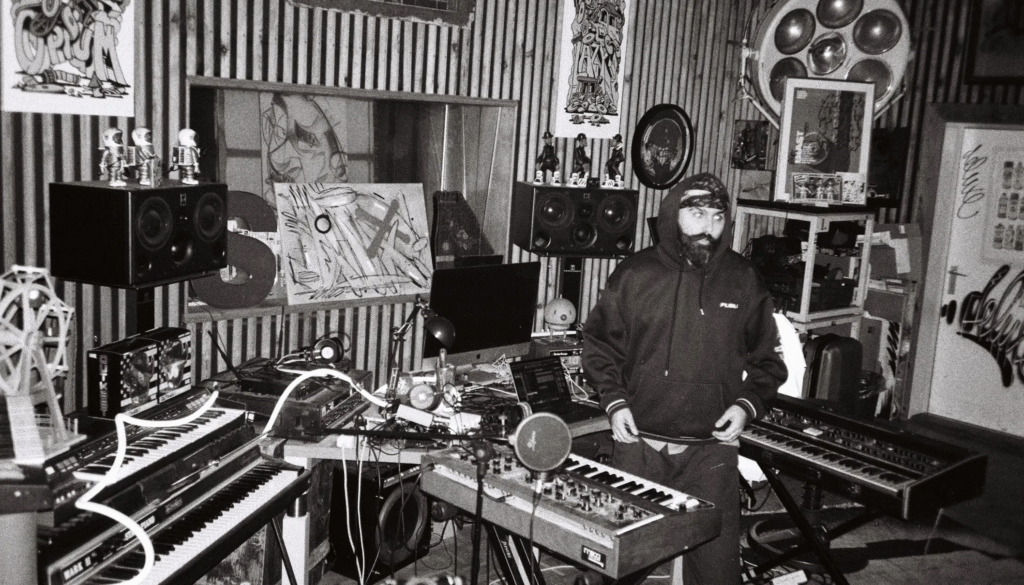
Originating in the port city of Oran in the early 20th Century, Rai’ has always been the music of the people, a genre whose name translates to ‘opinion,’ and whose function has been to voice the everyday realities that shapes and propel societal change. ‘it’s not charted. It’s not on the radio. It’s nowhere, but it outcharts everyone on YouTube,’ producer-artist Zouj says. Way-Way absorbs rai’s dance sensibilities, flips them through a chaotic sonic field powered by internet culture, and recodes them via maximalist production and autotune-heavy vocals that spills straight onto YouTube without seeking permission from the mainstream.
What distinguishes Way-way from both Classic rai’ and mainstream pop is its mode of creation and circulation. These are songs made for immediate digital release, recorded with whatever equipment is at hand, uploaded to reach listeners directly, and spread across social platforms faster than any other label-driven campaign. For starters, tap into Zouj’s Sabahu Al Kheir Men Zouj EP, which features tracks like ‘Hasni 1993’ by Losez, LAI’, and syklone, as well as ‘Waah Rani Lachi ’by Pakkun.
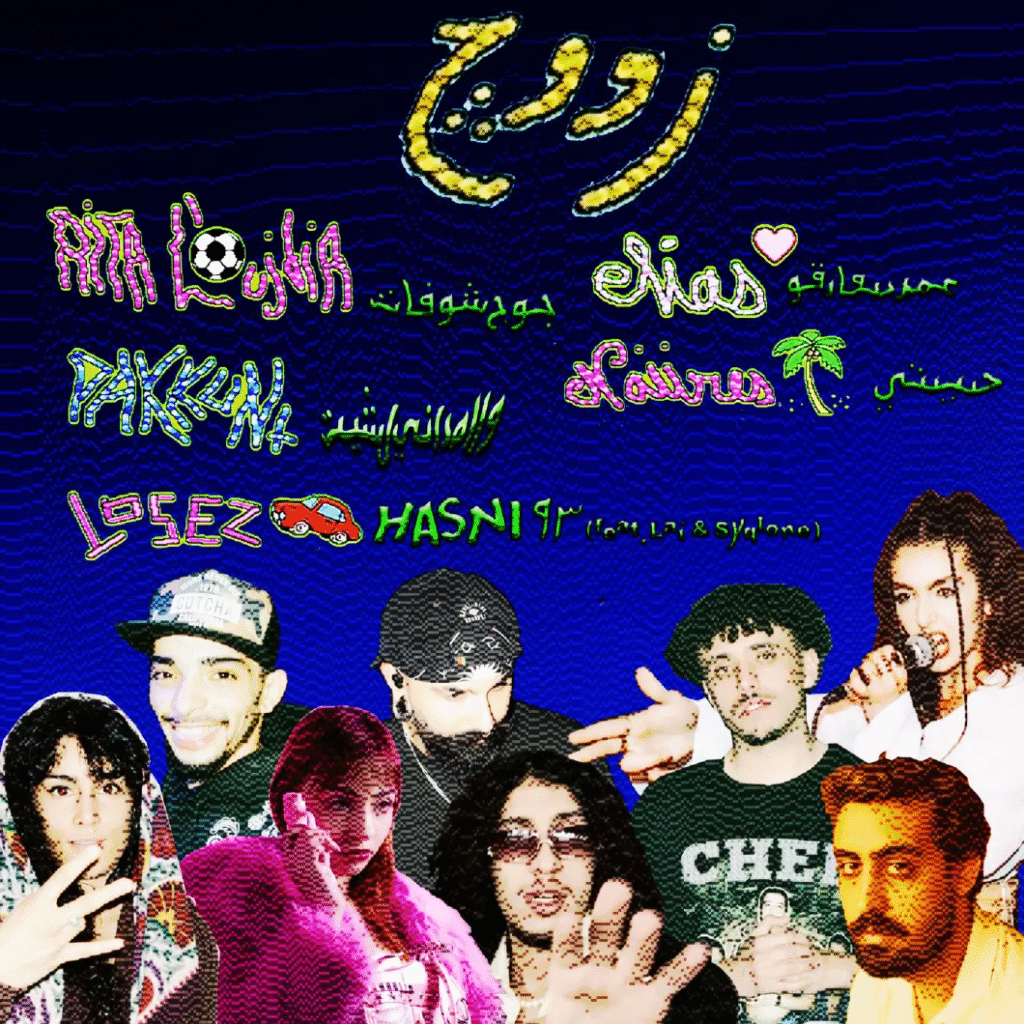
Way-Way, a modern fusion of traditional influences funneled through hip-hop and the bro-step sound popularised by Skrillex, feels like the music one would play at a public square on the eve of a revolution. Layered synths strain to outcompete equally forceful drums, while vocals shift between singing and rapping, signaling the urgency of the sonic intervention. What began as an offhand phrase in club tracks and street recordings has since hardened into a distinct, hper-digital identity, blending traditional Algerian rai’ roots with DIY production and youth-driven internet culture.
3] KRIO FUSION (SIERRA LEONE)
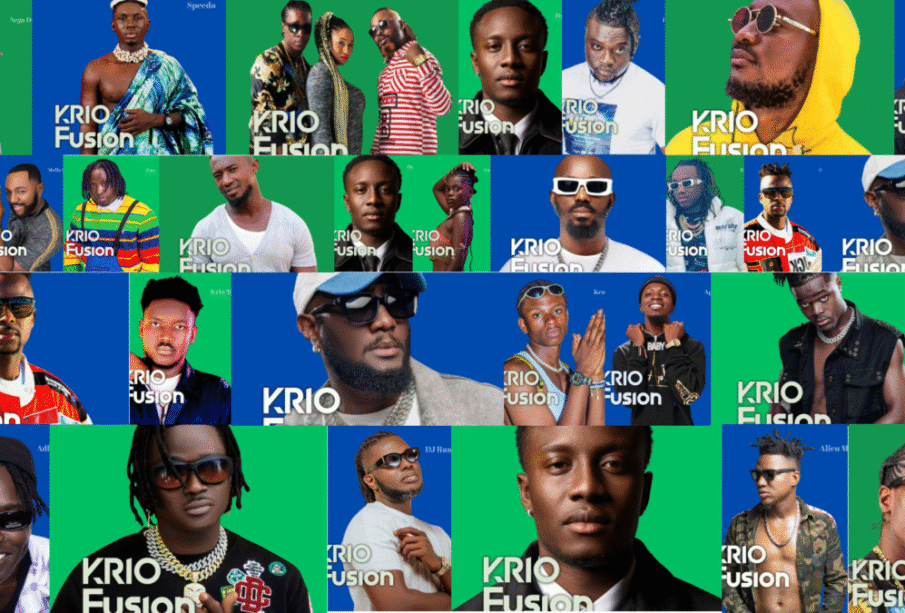
Krio Fusion is dynamic in that it shifts through sounds. In ‘Control’, a danceable track built on a two-step beat by Freetown-born singer Apreel, Krio is upbeats and it closely resembles Afropop.
Krio Fusion is a contemporary blend of traditional Sierra Leonean genres like bubu and gumbay with popular West African genres such as Afrobeats, rap, and Afropop. Krio Fusion is heavily defined by its inclusion of Krio, the English-based creole language commonly spoken in Sierra Leone. It’s similar to the broken English otherwise known as pidgin and spoken in other West African Countries like Nigeria and Ghana. Like Krio, pidgin has always been a staple in much of the music coming out of the West African region.
Meanwhile, ‘Sabi Road’ by another Krio Fusion artist Driziik takes a more hip-hop slant, while maintaining the anecdoctal and locally grounded lyricism popular with the genre. What’s clear about Krio Fusion is that it is turning a light on the incredibly inventive musical prowess of rising Sierra Leonean artists.
‘Krio Fusion is not just a playlist, it’s a message that reminds the people of Sierra Leone that our growth as a nation in terms of music is not really out there, it’s in here. It’s already a tool that we can use to get everything we want that’s out there,’ Apreel says. ‘The use of our local languages in music has never been this exciting. To me personally, I I think this is the only way the outside world would sense the difference and pay attention to us. And Krio Fusion playlists standing on the forefront to push these sounds is a big win for all of Sierra Leone.’
Already gaining traction and interests from stars like Mr Eazi, if West Africa is looking for a new frontier in African music, Krio Fusion has all it takes, the swag, the bite, the emotional and technical complexity, to rise to the task at hand.
4] LEKOMPO (SOUTH AFRICA)
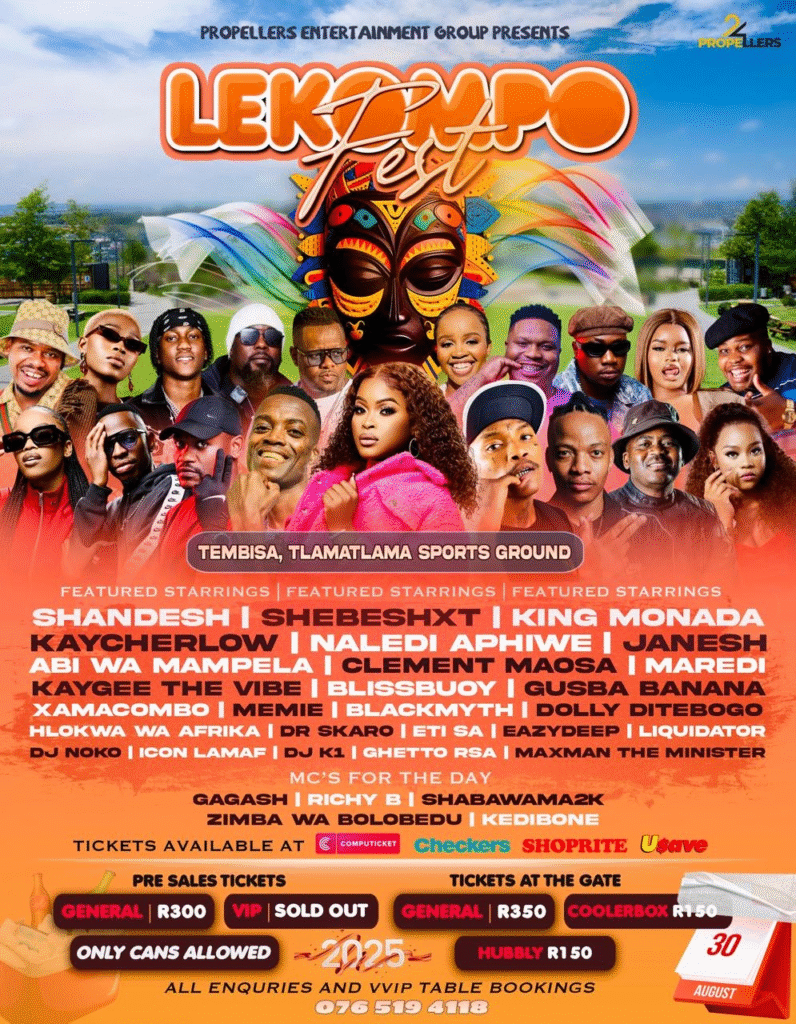
Lekompo is the strange, alluring cousin to bolobedu house, the youngest grandchild of tsa manyalo, and a distant relative of Shangaan electro, wrapped in a shiny package that borrows from other South African electronic variants such as gqom and amapiano. Its roots lie in the bolobedu house sound popularized by artists like Wanitwa Mos (formely Master KG) and King Monada, the celebratory spirits of tsa manyalo, a Limpopo genre commonly played at village weddings, and fast-paced rhythms and unflinchingly raw instrumentation of Shangaan electro- are blended into something both familiar and new. What sets Lekompo apart is its attitude, a strain of social consciousness carried by its lyricists, a vast and growing cast that includes Shebeshxt – currently in prison following the issuance of a warrant for his arrest on allegations of shooting and seriously wounding a fan – Makhadzi, who has powered through with near-singular focus to build an extraordinary following, and Kharisma, the relative newcomer whose hit-making streak places her in conversation with the genre’s elders.
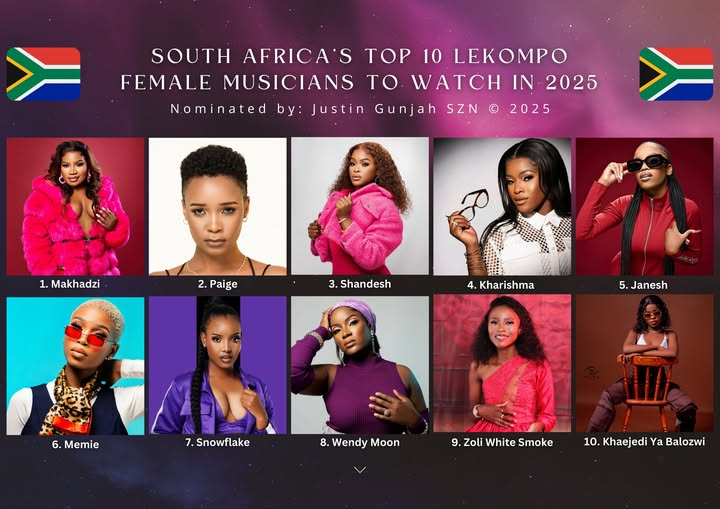
Also from the late 2023, sparked by bangers like Shebeshxt ‘Ke Di Shxt Malume,’ and stretching into 2024 via Kharishma’s boundary-pushing smash ‘Chokeslem,’ the sound has expanded, evolving from a regional concern into a fully national affair. Last year brought critical breakthrough collaborations – most notably Shebeshxt’s ‘Rato Laka’ featuring the canonical genre-shifter, Zee Nxumalo- that kept Lekompo front of mind. This year, however, will determine whether the genre remains comfortable in its current position, setting trends and making waves, or whether the collective ambitions of its artists- from Shandesh and Tribby Wadi Bhozza to Real K Mfanakota and others– can propel it towards the kind of success and continental recognition long enjoyed by Amapiano.
5] ARBANTONE (KENYA)
Gaining massive traction through social media, this genre samples Kenyan old-school hits and blends them with Gengetone and Jamaican riddims.
The slick Kenyan hybrid pushed past its detractors and raunchy predecessors to become one of the country’s mainstay sounds, popular among the youth while sampling the genge OGs.
When Gengetone first emerged six years ago music critics were quick to throw it under the bus, deeming it a genre that would be short lived. “Lamba Lolo” by Ethic Entertainment was the first song under the flagship genre, inspired by Kenyan favorites dancehall and genge. The song’s hook stuck in listeners’ heads and while the youth caught on immediately, the older generation shunned its raunchy lyrics describing sex, drugs, and crime. What followed was the emergence of a local youth movement that was missing in the Kenyan entertainment scene. Groups like Boondocks Gang, Ochungulo Family, 34Gvng and solo artists such as Ssaru started penetrating the airwaves to make one thing clear: gengetone was here to stay.
From genge to gengetone and beyond
Genge evolved in the late ’90s and early aughts. Borrowing from hip-hop and other Kenyan styles like boomba, kapuka, and gemba, the fusion genre was a powerful force in Kenyan popular music. It was California-estate producer Clemmo who coined the term “genge”, meaning “a group of people” in Kenyan slang, to label the budding culture known for its rapping style and conversational rhythm reminiscent of discussions in Sheng. The first major genge hits included Nonini’s “Manzi Wa Niarobi,” “Morale” by PiliPili, Juacali’s “Bidii Yangu,” among others. But it was when dancehall, an OG staple in Kenyan music, was fully blended with genge that gave birth to gengetone. And it was Mejja, one of genge’s key players, that made it his priority to nurture the rising stars as he passed over the mantle from genge to gengetone with songs such as “Position” and “Lewa.”
Unfortunately, the gengetone hype died down around 2022. This came after the emergence of drill, a phenomenon that caused a craze across the continent. This Detroit/UK inspired hip-hop took over and suffocated all the from gengetone, eventually leading to the break up of groups such as the iconic Boondocks Gang, as well as a slew of “cancellations” due to the genre’s raunchy lyrics. Then, in late 2023, just when the genge ancestry seemed to be dying out, Kenyan producer Soundkraft assembled a team of Avengers, Tipsy Gee, Gody Tennor and Kappy, for “Tiktoker“, a massive hit with a staggering 10 million views. It was the first milestone for a nascent genre that would later be named arbantone.
At first, artists and fans were skeptical. Some thought the genre might be short lived, or casually called it gengetone, despite its new features. Not surprising as the first massive hit “TikToker” sampled “Bidi Yangu”, Jua Kali’s 2006 genge number. But while gengetone was known for its gritty sound and raunchy lyrics, arbantone’s delivery was more commercial-friendly both in its delivery and production.
Branding arbantone for commercial use
The issue of identity and naming has always been a hustle in the Kenyan music scene. From kapuka to genge and even gengetone, Kenyans short attention span has made the listeners jump from one genre to another, causing artists to shift genres, titles, and names just to please their audiences. This has led to a trivial and unsettled discussion of what the Kenyan sound is. Unlike gengetone, which was seen as a fresh new sound, the sampling in arbantone often led to confusion of where to place the new genre.
Speaking to Parrotty, a former gengetone turned arbantone artist, he states the new genre is a cleaner and more refined version of the former. “A couple of artists including myself, Ssaru and Kappy sat down and saw that the major challenge that gengetone faced was the lyrics and branding. We often came out as vulgar which led to the cancelling of some artists such as Ethic.”
Arbantone comes from the word urban and is an attempt to represent the country’s youths. The artists gave it the name in an attempt to distance the sound from gengetone. “Arbantone is a more polished version of gengetone. We focus on our branding and what we give to the public, rather than concentrating on sex and drugs we sing about what the youth enjoy; partying, going out, etc” Thus, Arbantone was constructed as a combination of old Kenyan genge samples and gengetone and Jamaican riddims.
The genre gained popularity for many reasons, but the nostalgia it elicits can’t be denied. The first crop of Arbantone songs such as “Lele” by YBW smith and Sosa The Prodigy featuring Lil Maina, “Pic” by YBW smith and “Nakudai” by Sean MMG had the rappers laying verses on previously performed beats. This raised concerns about copyrights and permissions, but those were quickly diffused as artists assured they had been given credits. Though, over time, the production deficit needed to be filled and producers and artists themselves saw the essence of creating new beats enabling the genre to morph its own identity. Ssaru and Trio Mio have been at the forefront in ensuring the genre’s identity isn’t tarnished with a couple of hits to their name such as “Maintain(Ivo Ivo)“, which create a fun twist to the samples. Rather than mimicking their predecessors flow, they’ve created new ways to deliver their lyrics in enchanting ways.
Arbantone online and in the mainstream
Social media challenges, especially on TikTok, have also catapulted the genre’s popularity. Since most arbantone artists are part of the first crop of internet babies, otherwise known as Gen Z, the integration into new forms of media have been seamless. A song with a dance challenge is the most likely way for a track to hit the charts. Singles such as Dyana Cods’ “Set it ” featuring Ajay (Buruklyn Boyz) first blew up on TikTok with a famous dance challenge. And the original “TikToker” by Gody Tennor also gained attention due to an online viral dance challenge.
Earlier on in 2024, smash hit “Kudade” offered a new perspective in which artists from other genres could interpret their sound into arbantone. The song, originally by Fathermoh, Harry Kraze, Ndovu Kuu, Lil Maina and Johnny Johnny, eventually got a refix from Sauti Sol’s veteran member Fancy Fingers who is well known for his Afro-pop anthems. This artistic crossover may have been a cheeky attempt by Fancy to stay relevant with the youth who make up over 60% of Kenya’s population. Or perhaps it’s a sincere affinity for a genre that pulls so heavily from the Kenyan staples of dancehall and hip-hop.
6] NIGERIAN UNDERGROUND HIP-HOP/TRAP
A creative revival led by artists like Zaylevelten, who blends dark “Opium-style” trap with Alté and Amapiano elements to create a psychedelic, glitchy soundscape.
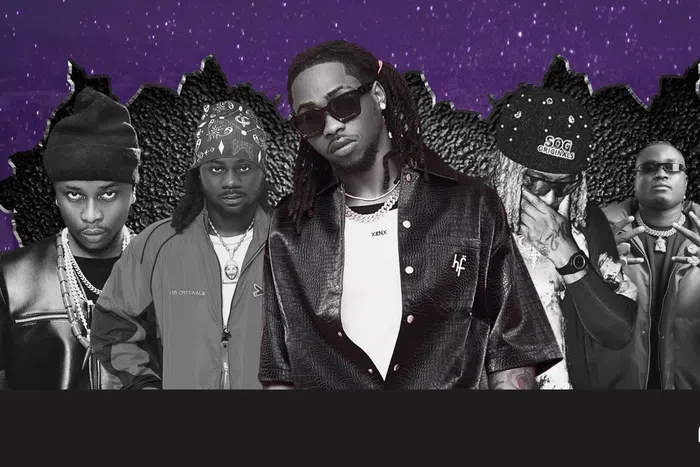
7] HYPER-SAMPLING: A trend of “crate-digging” to reimagine 1990s and early 2000s African classics into modern pop-driven hits is becoming a dominant production style.
The post-genre era is now
Genre is now a line often respected and more often crossed. Collabs, remixes, streaming, AI — it’s all led to a bleeding of borders, a softening of factions. Analog and artificial work in concert, complementing wherever the other lacks.
And it’s exciting. Tracks from the Epidemic Sound catalog, like T-Shirts and Sweats Reason show just how seamless this once-unnatural genre-blurring is. Your playlist, your vlog, your branded assets don’t need to be soundtracked by genre — they can follow the feeling.
Find the perfect soundtrack for every music trend in 2026 and beyond with Epidemic Sound. The catalog’s bursting with more than 50,000 world-class tracks, covering everything from dubstep to J-POP Bossa nova to ambient house.
And if you’re a business looking to take your content to the next level? Check out Epidemic Sound’s business plan or see if the bespoke Enterprise Solution is the right fit.
Unlock a rich catalog of music and sound effects, supercharge your team’s workflow with Artificial Intelligence Sound tracking tools,and keep your content cleared forever. Plus, you can secure licensing safety for influencers or third parties with whom you collaborate.
Regardless of platform and media switch-ups in the future, your content is safe. What you publish during an active subscription is licensed forever, even if you choose to leave Epidemic Sound.
Everyone from Levi’s to Warner Bros. Discovery, BuzzFeed to the Miami Dolphins, trusts Epidemic Sound to be their soundtracking platform.
Rock wasn’t dead — it was sleeping
Rock’s music not had serious mainstream currency since the ‘90s nu-metal boom. That particular sub-genre’s bounced back in 2025, bringing everyone’s Adidas tracksuits and red caps back out of the closet. Bands like Deftones, Limp Bizkit, and Korn aren’t just nostalgia acts — they’re bigger than ever, finding a whole new audience on TikTok.
Bold fashion choices and sing-along riffs aside, nu metal’s second wind renewed interest in rock music overall. Pollstar lists rock and metal in the year’s highest-grossing tours worldwide, while Disney’s Alien: Earth landed syncs for Tool, Metallica, Pearl Jam, and more.
Younger audiences find this music refreshing because, like the organic sounds we discussed earlier, it’s real. Want some livewire guitars and rough, rowdy vocals for your content? Dissidence’s Fix My Head
Afrofuturism will pop off
As a broad concept, Afrofuturism’s been around for decades. The intersection between Black culture and futuristic vibes has long been home to some of the most innovative, exciting works of modern-day art.
Everything from Octavia Butler to Beyoncé, Black Panther to FKA Twigs falls under the Afrofuturist banner. It’s truly transmedium, and as AI becomes more commonplace, there’s so much material and inspiration to bounce around.
In particular, we’ve seen a bump in Afrofuturist music, blending traditional African instrumentation with slick, electronic-based production. This trend came to a head in mid-2025, when Grammy-winning artist Honey Dijon remixed Umbe’le’,an Epidemic Sound track by Ebo Krdum and Ooyy.
Technology will make space for organic sounds
AI. Artificial intelligence. What was once reserved for sci-fi movies is now part of everyday life. Paired with after-effects born from the COVID-19 pandemic and the rising popularity of ultra-processed, shiny pop bangers, some audiences crave organic music. Real instruments, stirring storytelling, and a sense of grounded, authentic minimalism represent the other side of the coin.
According to Spotify, emotional and alternative pop really resonated with listeners in 2025. These are softer, more human sounds that ground us. But that doesn’t mean they’re lightweight or less-than — this music’s perfect for everything from behind-the-scenes to get-ready-with-me videos, branded campaigns to nature documentaries.
The music industry will become more eco-conscious
Climate change and sustainability are now too big, too important to ignore. In 2026, artists and festivals may push for more environmentally friendly touring. Solar-powered stages, carbon-offset shows, biodegradable merch, and more are all on the table.
Massive bands like Coldplay have done this stuff for years. If Chris Martin and co. are putting the work in, it’s only a matter of time before smaller acts catch up. With younger audiences more strongly aligned with environmental ethics, this could become a real differentiator for artists going forward.
PluggnB will take the mainstream by storm
It would be strange if a microgenre didn’t ruffle the mainstream’s feathers at one point or another. Just look at how far hyperpop’s grown thanks to Charli XCX, or the impact Stranger Things had on synthwave The weirder and more specific, the bigger the splash seems to be.
And what’s more specific than pluggnB? Combining plugg — a laid back dreamy trap subgenre — with ‘90’s RNB, the nanogenre’s been embraced by the likes of Lil Uzi Vert in recent years. Music producers and content creators have shown genuine interest in this niche-of-a-niche style, shining a light on Epidemic Sound tracks like Witchitaw Slim’s Thriller.
