

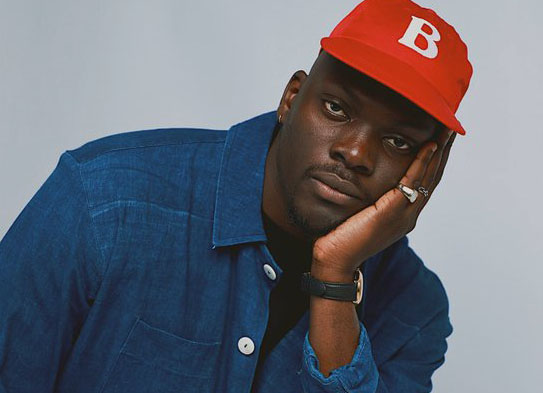
Yinka Bernie is one of Afrobeat best kept secrets. After debuting into the scene with his 2015 Soundcloud release, Fela Obsession, the Jazz and RnB fusionist paced himself on the road less travelled, belting out self-produced classics over the years.
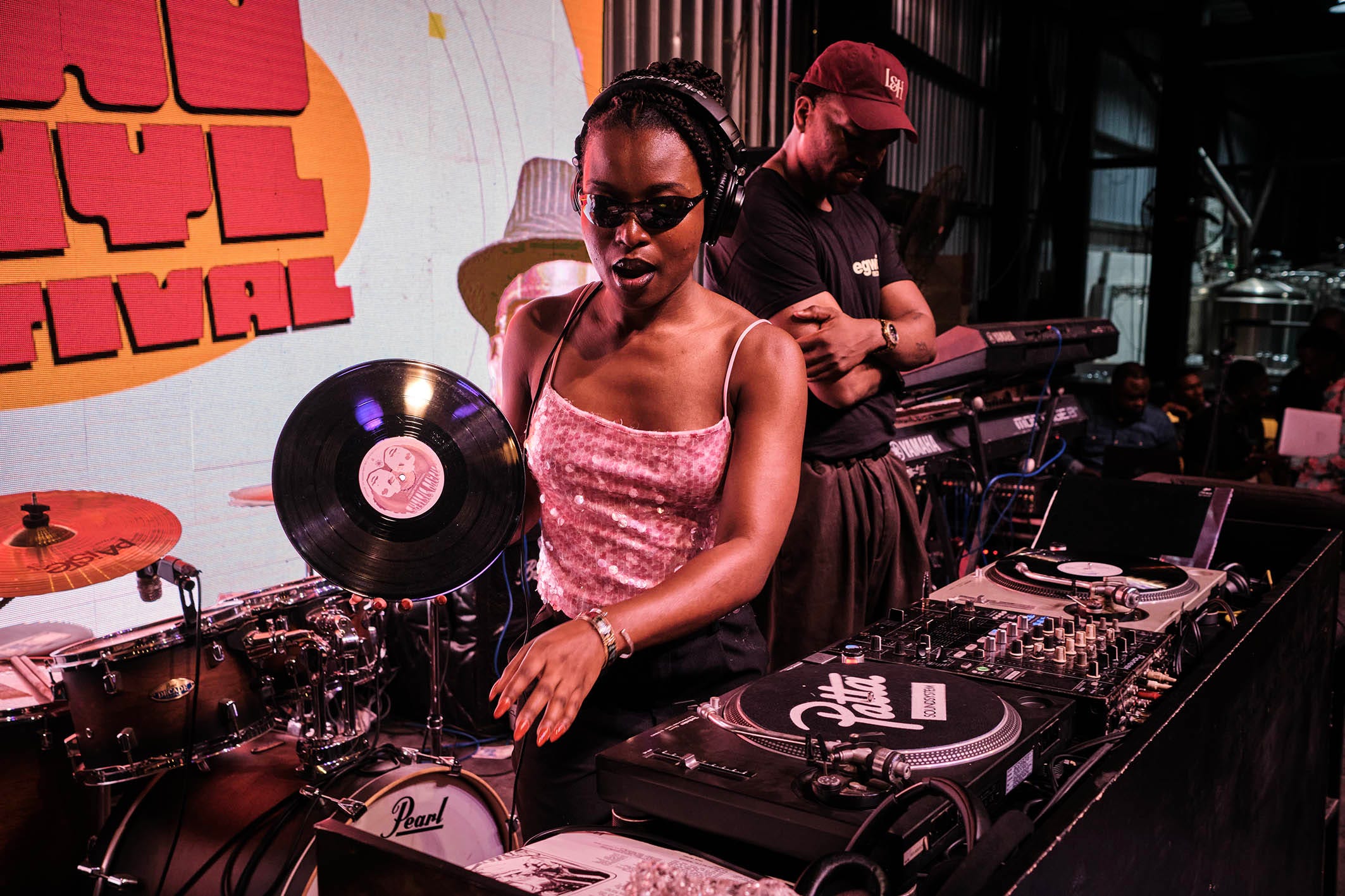
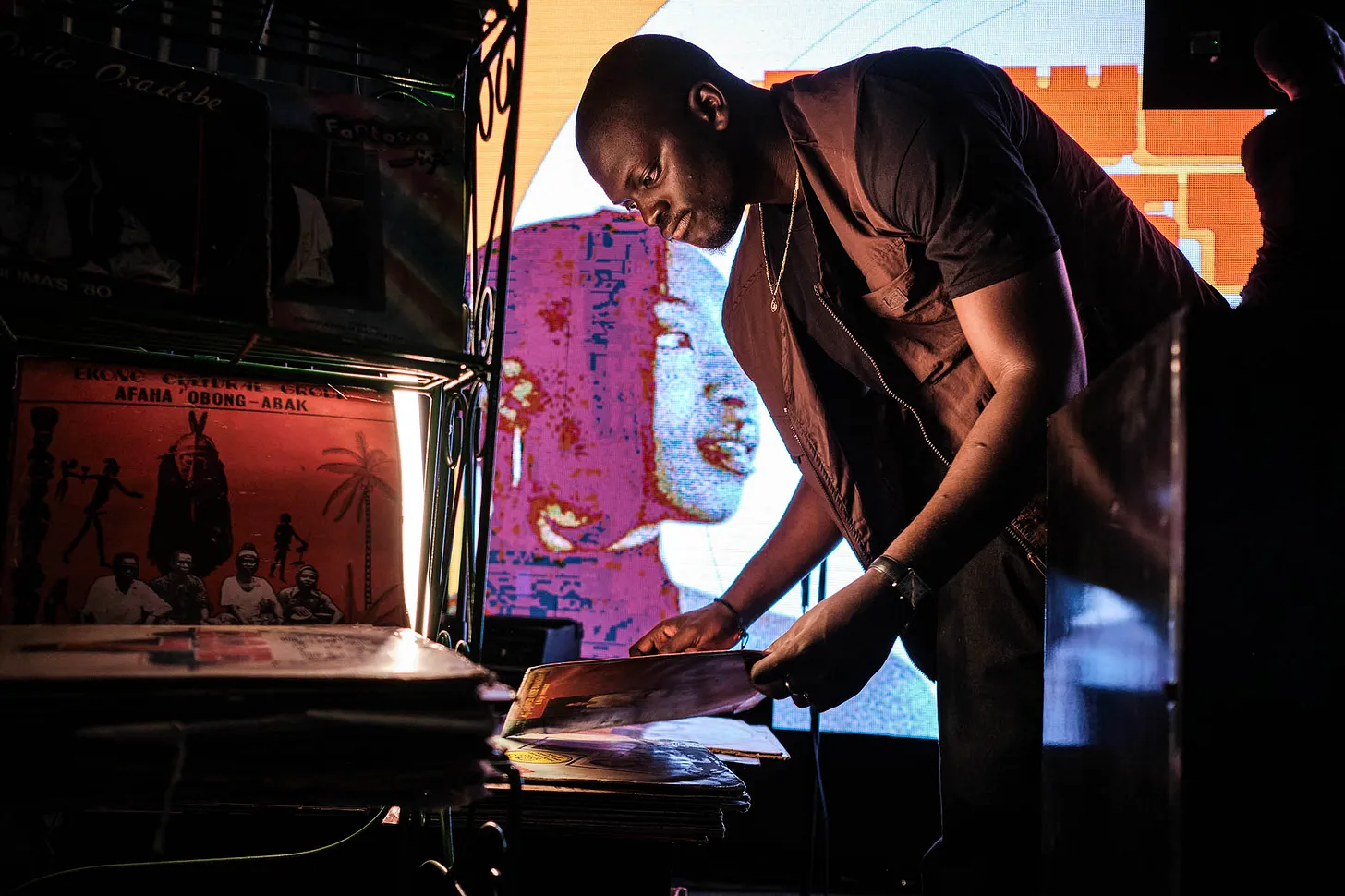
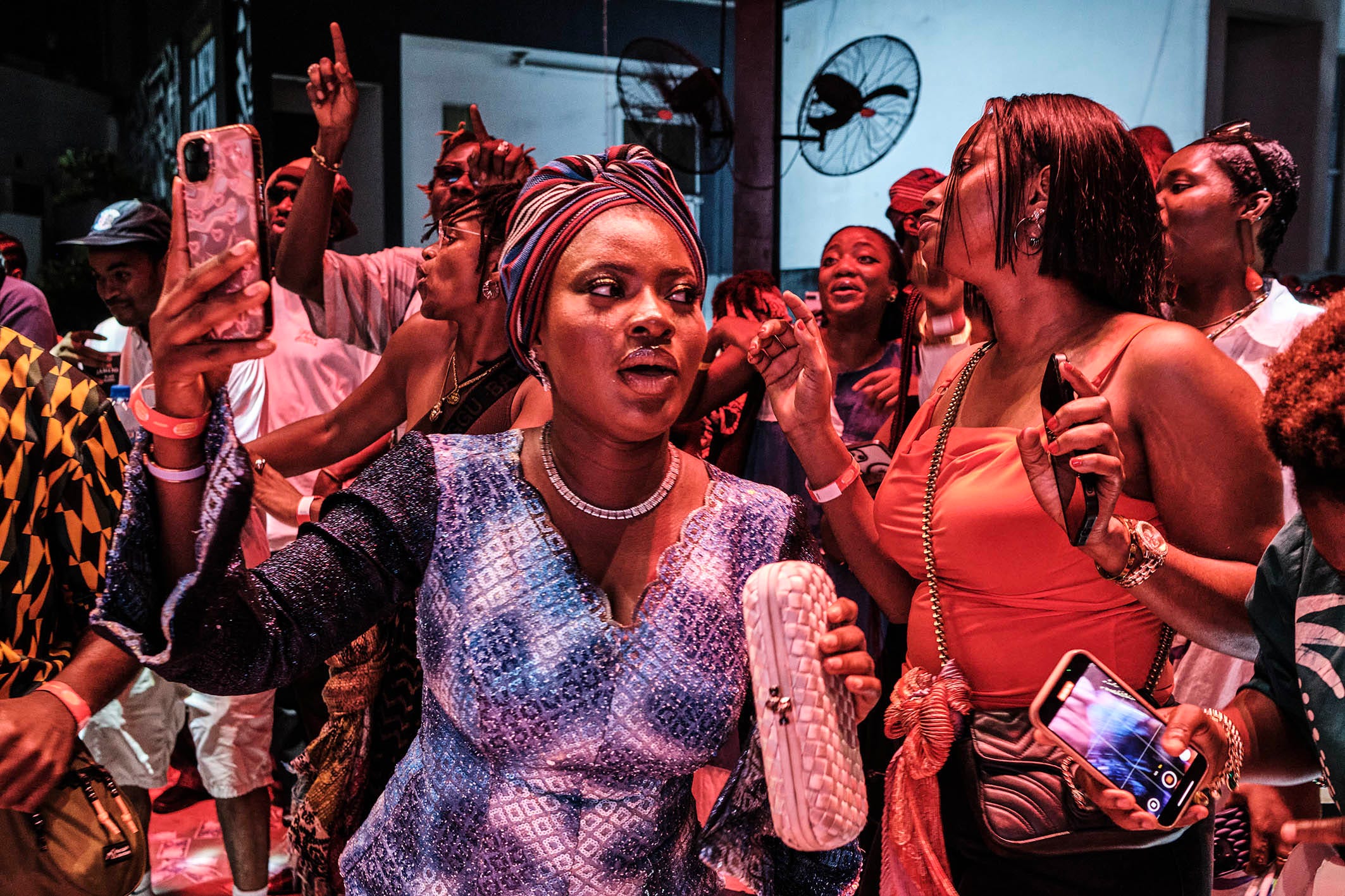
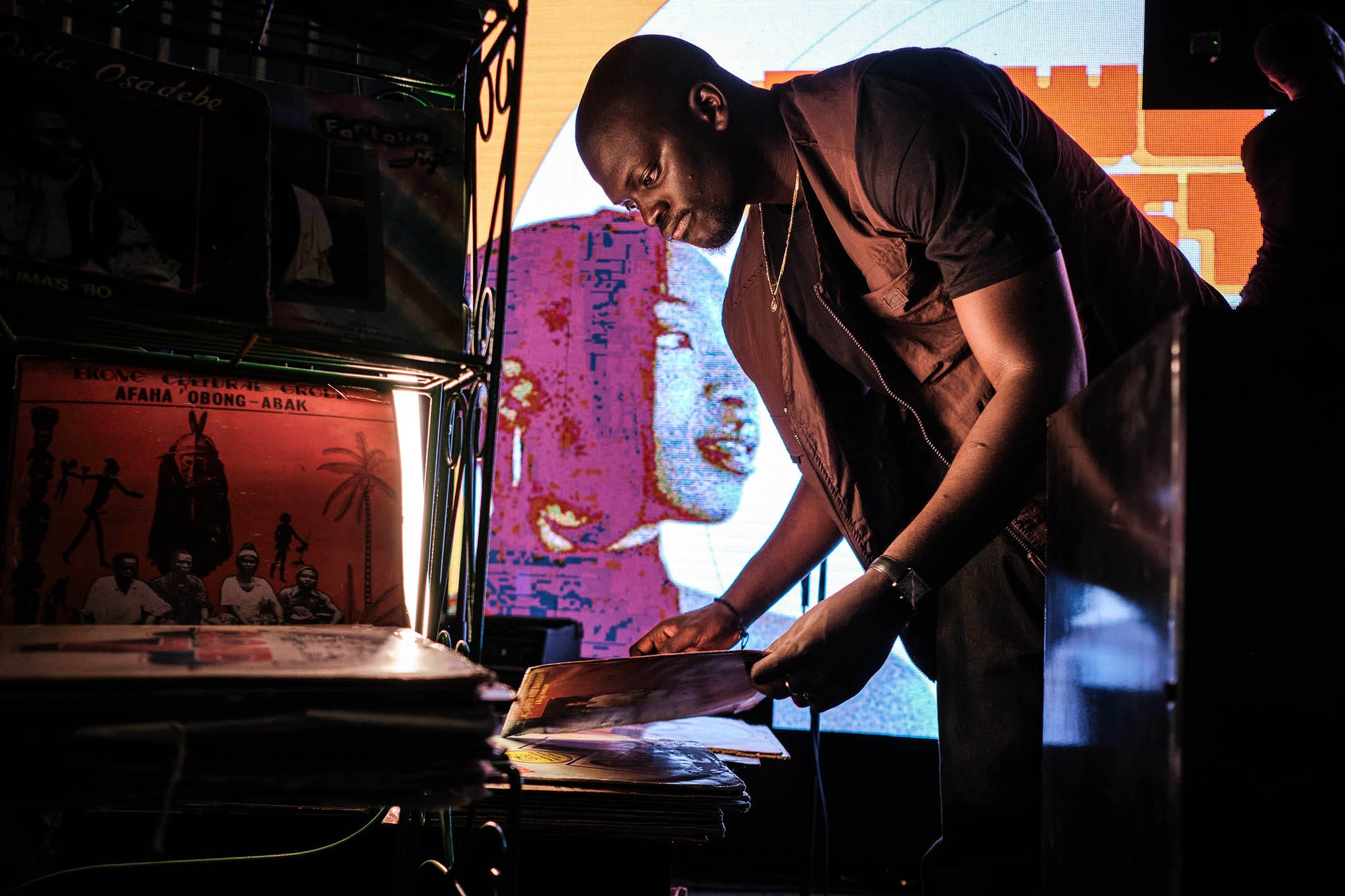
Pictorial Description-December in Lagos was buzzing with the energy of Detty December. Booming Afrobeat clubs and house and techno music raves dominated the city’s soundscape. But tucked in the frenzy was a different kind of musical celebration: the Egwù Vinyl Festival, a rare ode to analogue sound and Nigerian music history.
When his Euphoric Sounds From Within extended playlist, collaboration with Niyi Okeowo, dropped in 2021, Afrobeat enthusiasts fawned over the therapeutic sound style championed by the singer. The record, lush with Lofi and psychedelic RnB, Soul, Afrobeat and Jazz fusion, became a fan-favourite for his teeming audience who prioritised music as a form of mental health therapy. His follow-up record, Something New, stretched this legacy with even more depth in his musicianship, and it housed one of his biggest songs till date, It’s Okay To Cry, featuring fellow indie maverick Joyce Olong.
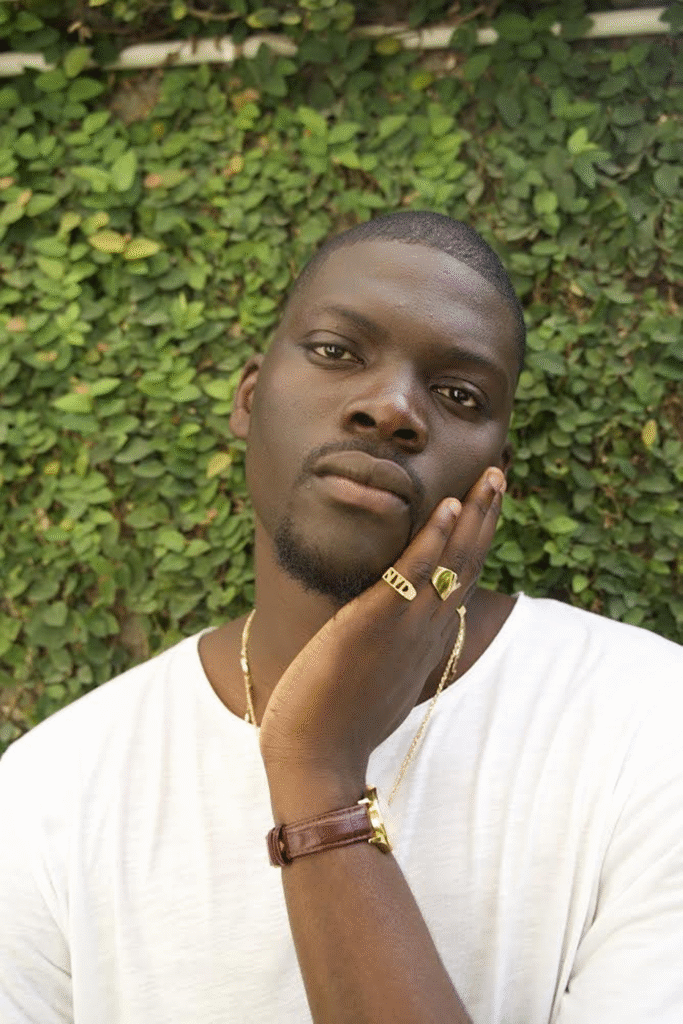
Born Yinka Reuben Onaduja, the 26-year-old record producer, composer, sound designer and web developer is sound-tracking a wave of therapeutic music that’s still largely uncommon in Afrobeat. Similar mainstream contemporaries in his niche include, Brymo, Linsdey Abudei, Falana, Tim Lyre, Tems, among others, with a lot more still on a sturdy rise to the limelight. His production credits on Amaarae’s Sad Girls Luv Money equally shone his dexterity and talent as a multi-talented musician.
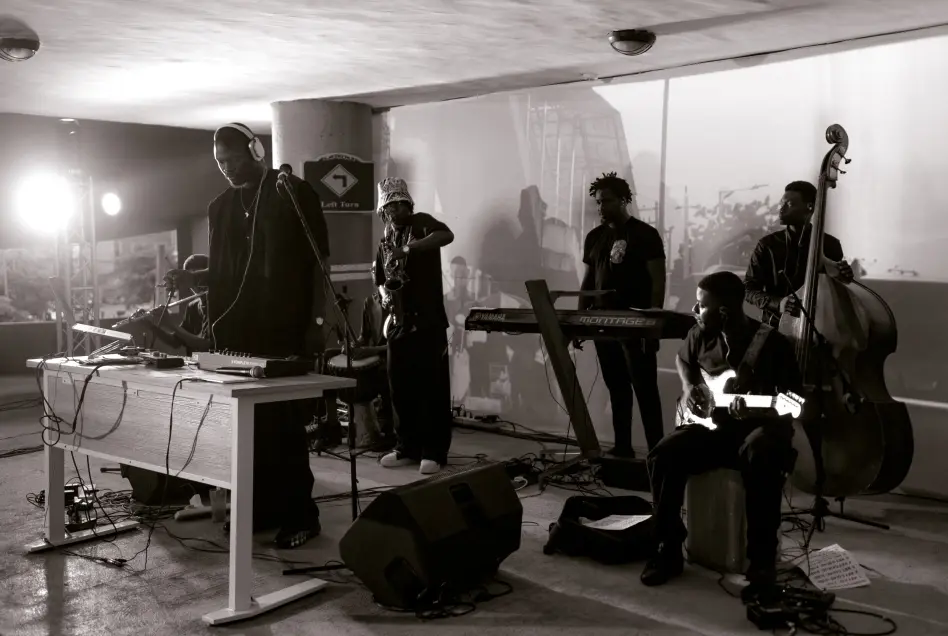
A month ago, the young maverick assembled his new band, Surround System, on the heels of sound-tracking Anthony Azekwoh’s There Is A Country, live art exhibition. He follows carefully in the halo of Fela Kuti, his long-time icon, as he continues to prioritize a unique sonic approach he deems as making “chill music.”
Musically, Bernie takes us into a deep dive into his alternative music artistry, peeling back memories from Ibadan, his childhood suburbs; self-developing his artistic talents; his latest love record, Miniskirt, featuring Suté Iwar; creating music for healing; and spreading the gospel of soothing Afro-fusion, among others.
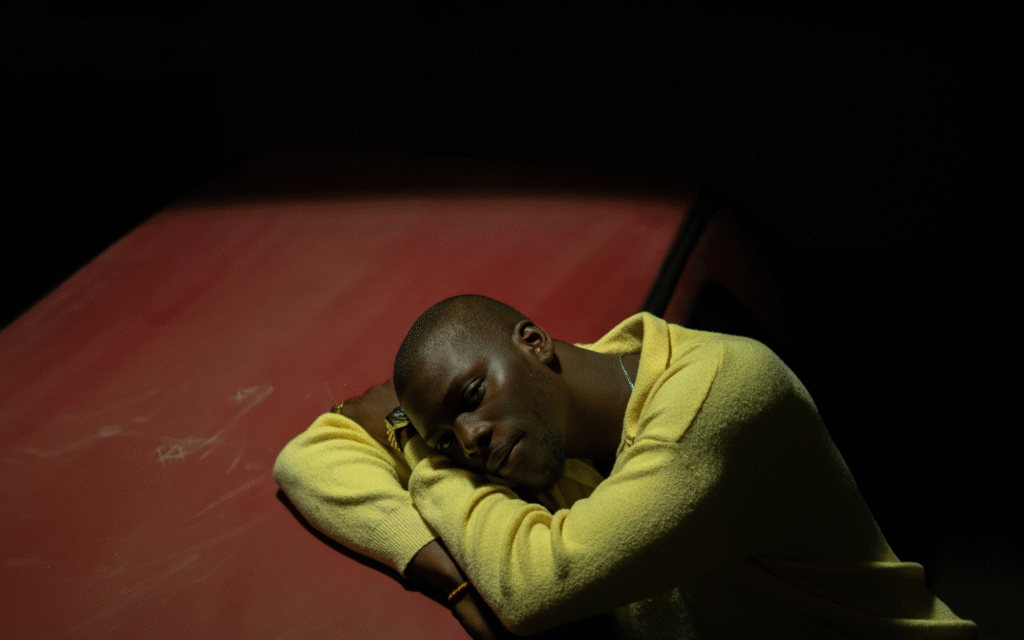
Bernie is a visionary, and all his many exploits connect back to sound. You’d have felt the assured grasp of a master if you walked into the halls of his sound exhibition, Moving Parts, which was held for three days earlier this November. Under the light of what he’s doing with Egwu Records, these achievements form an interesting portrait of one of Africa’s most exciting creators.
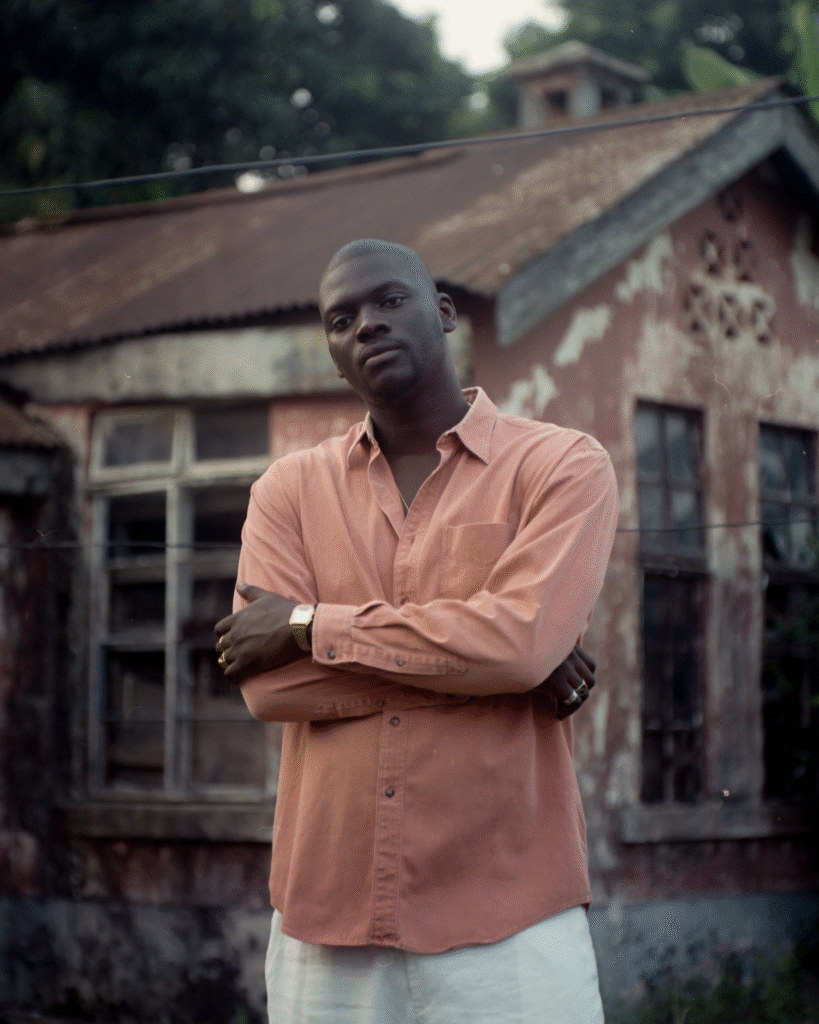
Yinka Bernie explores art in several forms. He’s done just about everything you’d expect from an artist — making music, scoring films and exhibitions. There seems to be no boundaries to what he can achieve. The Lagos-based creative keeps an open mind about the work he does, and his indie ‘record label’ is evidence of this perspective.
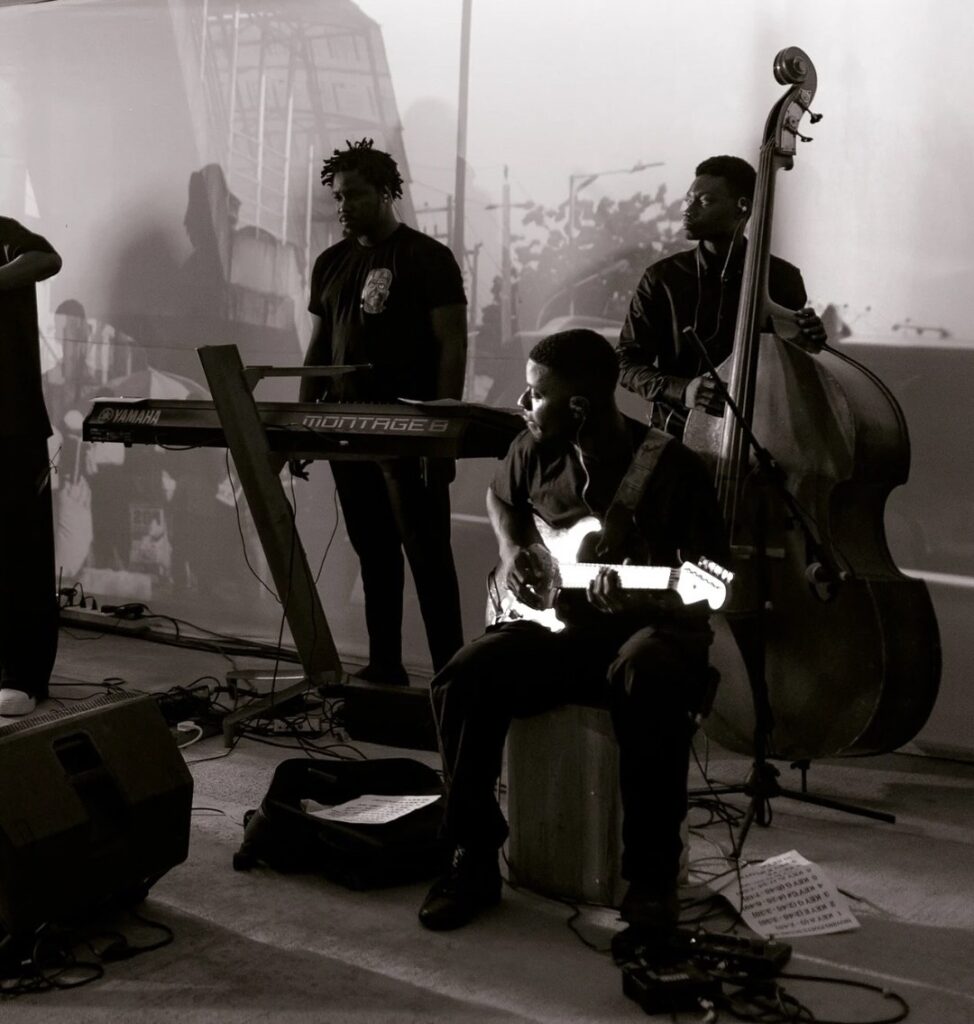
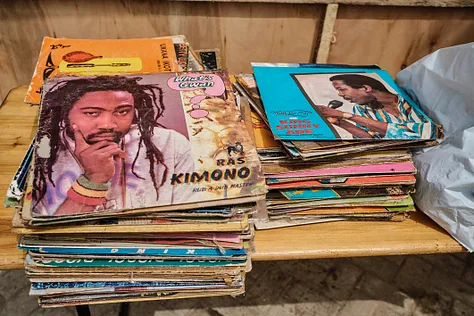
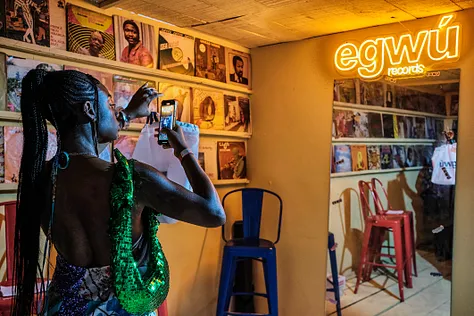
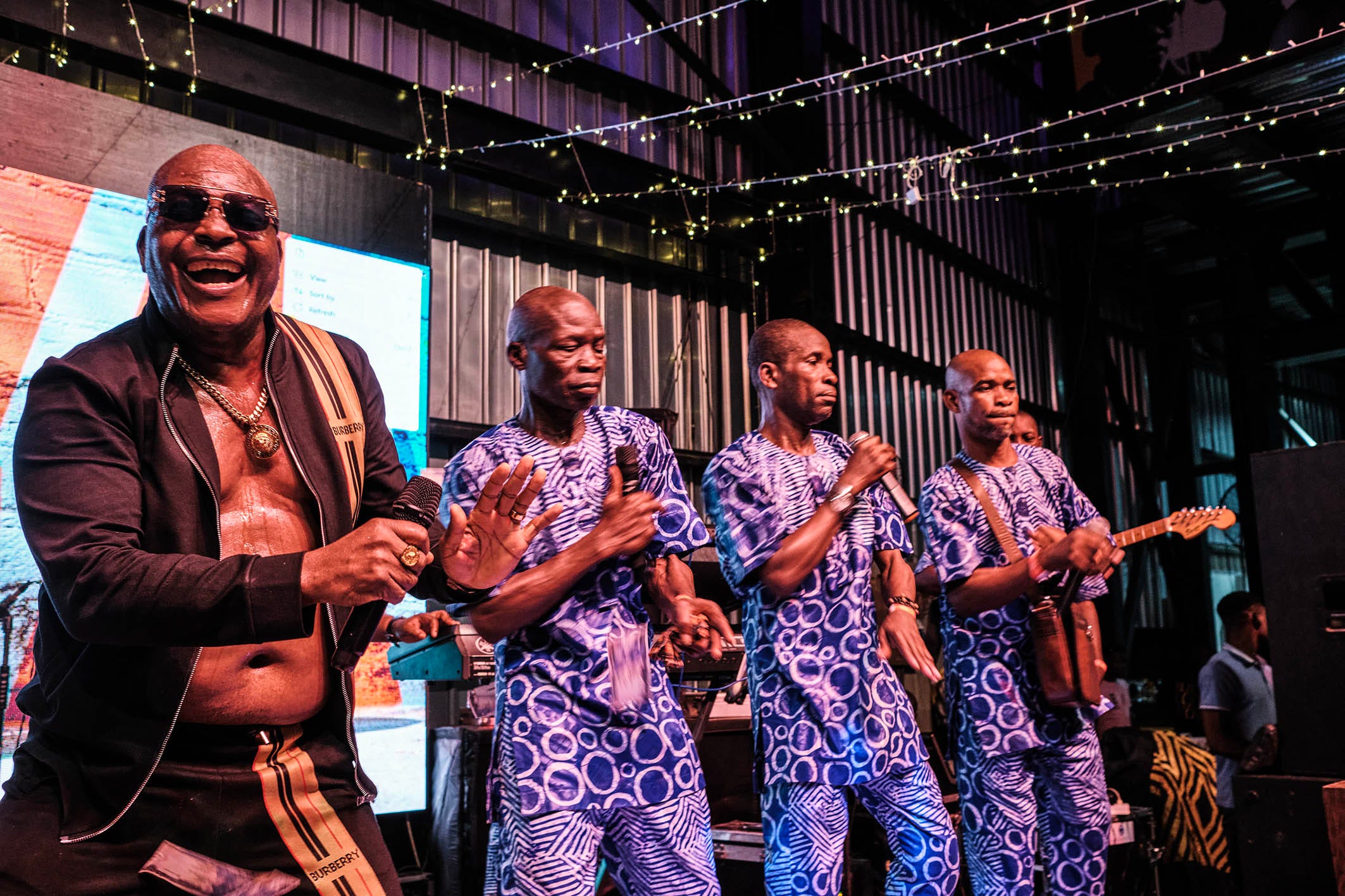
Egwu Records — co-founded in 2021 by Bernie — is a vinyl shop, offering music lovers a deeper connection to their favourite music. Last year, they put together the country’s first-ever vinyl festival. It was an extension of the collective’s mission of presenting vinyl records in a more interesting light, as an art form that still had a lot to offer the present generation. The night featured a performance from the legendary Sir Shina Peters, whose generation of 1980s-minted stars were some of the first to have their music distributed in that format.
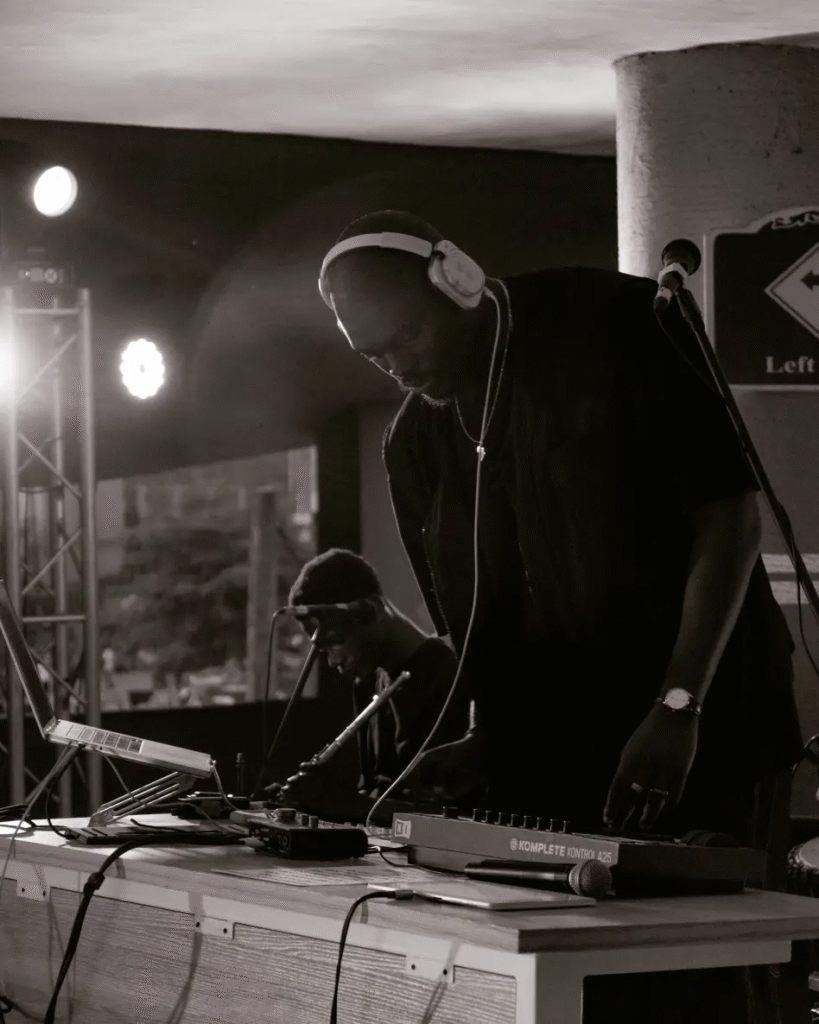
Yinka Bernie’s Egwu Records has filled a distinct space as a vinyl collective. The Lagos-based creator talks about how he’s “extending the sound experience.”
Yinka Bernie: Egwu Records was born out of my love for music and collecting records. I’ve been collecting records for a while, so I was just creating a community to find more people that collect records. It started as a community of people I exchange records with, then turned into this whole vinyl collective and independent music enterprise, where we press records now, host parties, curate vinyl sets for events, and do partnerships.
I have two partners, Kayotunde Animashaun and Orry Shenjobi. We run everything together. It’s set-up like a company ‘cause we have staff, there’s day-to-day running, we have projects we work on. We have events frequently. We sell records, players, and we source records for people as well. It’s a whole company on its own; it’s not a record label, but a vinyl collective and independent music enterprise. But we don’t sign artists right now.
I’m a lover of music and I go every length to experience music. For instance when an artist I like drops an album, I’m the kind of person that would watch the interviews to find back stories, just to connect to the album and the artist well. That’s also the idea for me in collecting vinyl. Having the record of an album I really like creates a different connection to the album, like owning a physical piece of a thing I like.
I’ve done a lot over the years. I’ve worked with galleries, visual artists, different people, and exhibited in galleries, but it hasn’t been my own thing. It has been me contributing to solos or group exhibitions. This is the first time it’s just me, showing my work.
Moving Parts has been a work in progress for two years, ‘cos I’ve been making these videos, and collecting sounds from different bridges in Lagos. There are so many bridges on the mainland. And where I live, there’s a particular bridge I use when I’m taking a walk. When I’m walking, I notice everything around me. I’m very fascinated by people around me, I’m a big people watcher. I collect my observations and find different patterns in the way people do things.
There’s this weird thing that happens in my brain where I notice a pattern, how somebody walks, or how somebody looks, and another day or few months later, I see another [similar] scenario. It’s not like deja vu, but I observe patterns very frequently. That whole concept is how Moving Parts came to be; going to these different bridges, making videos, collecting sounds, eavesdropping on conversations, speaking to people. I just put everything together.
The bridge is one place that is not still; Lagos itself is not still at all, but the bridge… there’s always movement, there’s always people using this bridge to do different things. The common goal is they’re always moving. So I thought ‘what name would fit this idea?’ Moving Parts is something that stuck and I just concluded to say we’re all moving parts of society and this exhibition captures Lagos in this time.
I do creative consulting from time to time for friends, and brands that want to bring visions to life. My mind is very visual. I see things visually and sonically. It’s something I’ve always done, not even professionally. For instance, if my friends are trying to start a brand; I’m the guy they always call, just to sort through ideas, to see if the logo makes sense, or this image makes sense. It’s something I’ve always done and enjoy doing for myself and other people.
Also, I want to make hardware. Right now, I’m exploring the other side, which is audio. I really wanna explore hardware like making earphones, making speakers, just more creative ways to listen to or experience music. There’s something I’ve been working on, a physical product for audio. I want to work with different brands to extend the sound experience and the way we consume music.
How did you get into music?
It was from high school, in Senior Secondary (SS2). I started making beats and I got a laptop. I recorded on a friend’s beat at one point and he said that it was dope. The sound we made at the time was dope. I grew up around a lot of music. My dad used to collect CDs, so there were a lot of them in our house. There were a lot of speakers on the wall. I started as a producer then got into singing, that’s pretty much it.
Why did you start releasing music?
Just my dad telling me what I did was dope, and I believe it was dope. That was the conviction; I just feel if I make something and I myself say that this is good music, I think that’s enough. But when someone else says oh this is dope as well, it is more ginger to my job. I was probably like 14.
What does music actually mean to you?
Music to me is the best way I express myself. I can’t do without trying to make something or make a sound, or just express myself via sound. That’s how music is to me.
So as a teenager where were you picking up these influences from?
I would say a lot of Timberland, and Kanye. He was a producer as well. I think that was like my first intro and inspiration as well. One person I actually listened to was Lagbaja. I like Lagbaja’s songs a lot. I think Lagbaja was a big influence in how I make songs. Also, my dad used to play a lot of Fuji songs, like Ebenezer Obey, King Sunny Ade and others.
Your record, Euphoric Sounds From Within, was a very therapeutic experience. What inspired it?
Niyi Okeowo had done a merch collection. He had like a small video, and he wanted me to do the soundtrack for the video to introduce the collection. Instead of doing this video, we talked about just doing a project, and at the time it was called ‘Euphoria’. Euphoria means a very exciting feeling, a very happy feeling. He and I just worked on the project and I made different sounds and also I was trying to challenge myself in terms of me getting a brief or someone telling me an emotion and I can easily translate it via sound. So that’s like a challenge to me as well, but it was better from the collection.
Your music is very emotive, is that intentional?
On that, it’s just an extension of who I am at the end of day. I sing with motive but I don’t think I do it intentionally, maybe I’m in the studio and I want to make an innovative song or I want to talk about this way. I feel it is just the way I feel, and this is the kind of person I am quite introspective and chill, and calm. So, that reflects in music, it’s just a reflection of who I am to be honest.
Do you produce all your music?
I would say 80 per cent most times.
What’s your usual creative process when you want to make a new project?
Usually, I don’t let the project theme form the music I make, I just make different songs. The song I would make throughout a month or two months, would be around that same subject. Usually that way it works, but now I’m trying to get more people into my space. I will just invite people who are mixed up, but usually I start making beats and come up with melodies after. That’s usually the process.
Tell us about one of the most challenging projects you have worked on in recent times.
I think it’s something I deal with these people, they are called Dyelab. It’s like a brand. I did a song for them last month. I would say it was challenging. I got a brief that they were having an exhibition where they just wanted to show people their process on how they dye clothes, how they make tailoring, all that process. But then they wanted to pass this information, or pass this message via sound and I was supposed to make that sound and decide whoever that’s going to be on it. I would say it was challenging because I went with the owner of the brand, we went down to the dying place. I did like three recordings of just different sounds that were in the process of making these clothes. When I wanted to start working on it I was just confused on what direction to go. I think it took me a while to properly put it together; it took me three weeks to decipher how I was going to go with the direction. I started the beats, it took the longest to make and eventually I liked it, I think that’s my best work yet.
Are we expecting any body of work soon?
I’m working on an album, more collaboration, definitely more songs and more visuals. Also more shows, I would be performing more doing more experiential stuff. That’s for now, more music to be honest and ultimately waiting for the album.
You recently formed your band, ‘Surround system’, what inspired it?
I did that for an exhibition on October 1, and the thing essentially was about Nigeria, about the country, about Biafra and different parts of Nigeria. When I was thinking about how to make that, I was wondering what is the best way to go about this? I just felt the best way is to do some nostalgia in terms of bringing sounds people are familiar with. Create a sound and make sure the exhibition space feels familiar when they enter that sound. The only thing I could think of was a live band; I wanted it to be a live band who is rehearsing in the exhibition space. When people walked around it left like there was a live band somewhere outside, but that was pre recorded. So, I just directed the band, I played the drums and did different things. In that moment, it was one of those moments where the session was so good. And I asked them to be my band, just be part of my band and we were about eight of us, let’s just do this. Because I was also going to be doing more shows, I just formed the ‘surround system’.
Are you going to be performing more shows with your new band now?
Yeah, we have a private show. I have done a private live show this weekend for those people on my merry list. I actually have a rehearsal in an hour; I should do a couple of shows in December as well. I might not have my private live this year; I wouldn’t even have it this year. We are looking to do more, travel more, probably go on tour next year.
How many instruments do you know how to play?
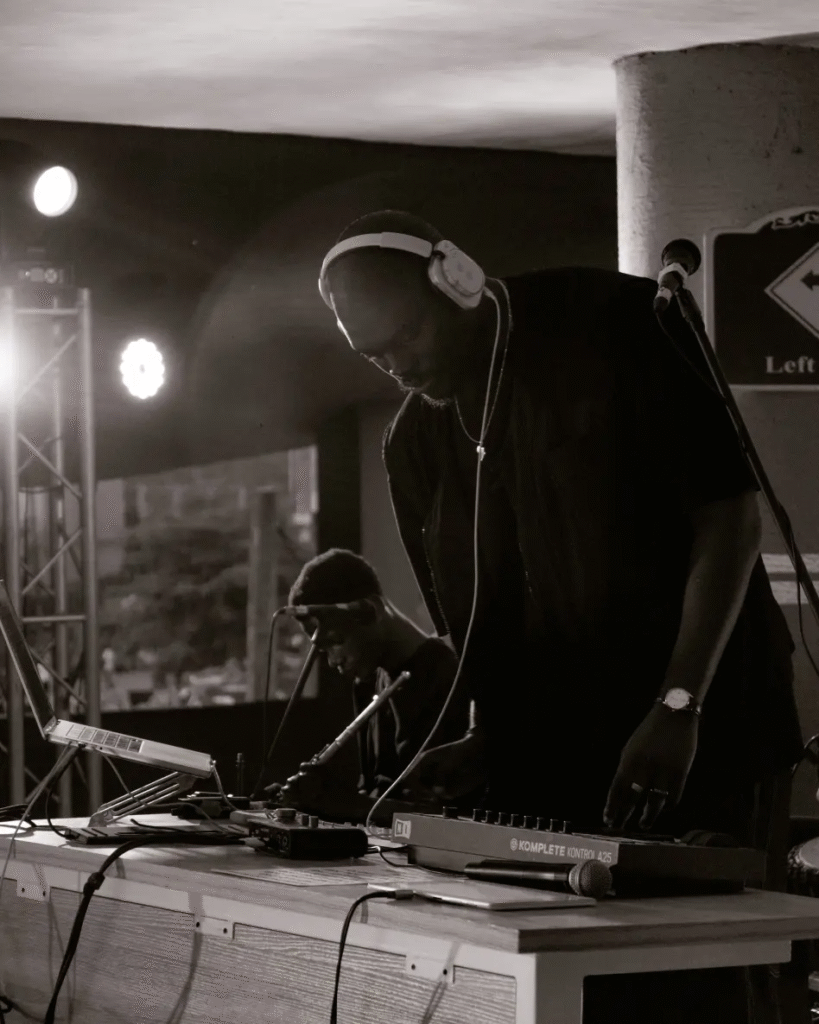
Just two, base guitars and drum.
If you could define your own artistry in a phrase, or a word what would it be?
I would say just chill, chill is the word.
What’s the vision for the music moving forward?
For the music, it’s just to keep creating timeless songs, good music, connecting with the listeners, the supporters, forming something bigger and growing the audience to be honest. And to keep making, never to stop making.
“We all collect – that’s the common factor. And we all love music, or work in music, or are creatives. So we just turned a passion into a community and now it’s a festival,” says Bernie, an artist and producer.