





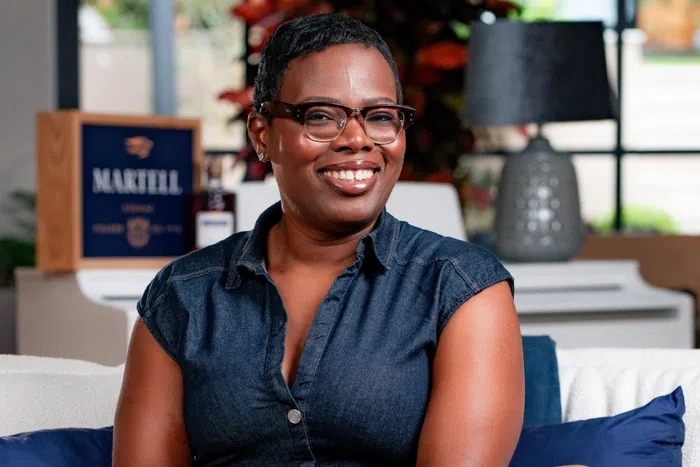
Abi Babalola has been working in the ”AFROBEATS SCENERY” even before it came under the umbrella term ”AFROBEATS” popularly used to push the Nigerian and West African pop music in the UK and across the world. Aside she being popular as one of the foremost tour managers for popular Nigerian artists, Babalola ”has worn many hats” and ”won many hearts‘‘ in the 15-plus years she‘s been around, ensuring immaculate expression and execution across the broad subsects that elaborately make up live show Infrastructure and the dynamics involved. Babalola recalls working with Multiple A-list Afrobeat artists majorly Nigerian over the decades, her pedigree and nuances of being someone who always executes tasks as an Afrobeat touring manager.
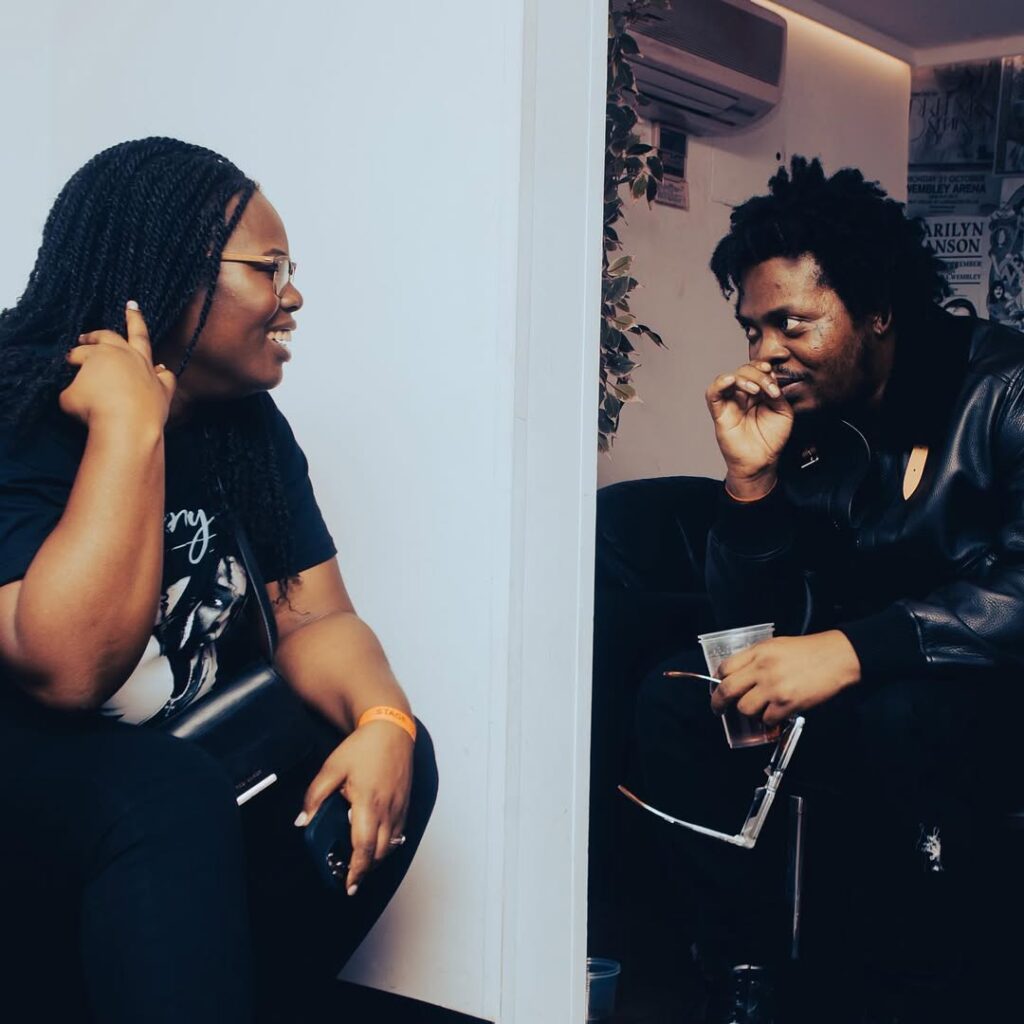
While Afrobeat artists dominate global charts and sell out arenas, there are quiet architects behind the scenes making those moments possible. One of the most important names in that engine room is Abi Babalola, founder of Hera Touring and one of the key forces behind some of Afrobeats’ biggest live productions.

Babalola explained on the second episode of Martell’s SWIFT CONVERSATIONS, Aunty Abi– as she is fondly referred to– walks viewers through her career growths sharing tid–bits about navigating her way through as a self–taught touring manager and relieving stories from her marquee achievements.

Abi’s journey into the culture started early. Growing up around music, she was exposed to the industry through her uncle JJC, whose work helped shape the careers of artists like D’banj and Don Jazzy. That early studio environment planted the foundation for a career rooted in storytelling, production, and live experience.
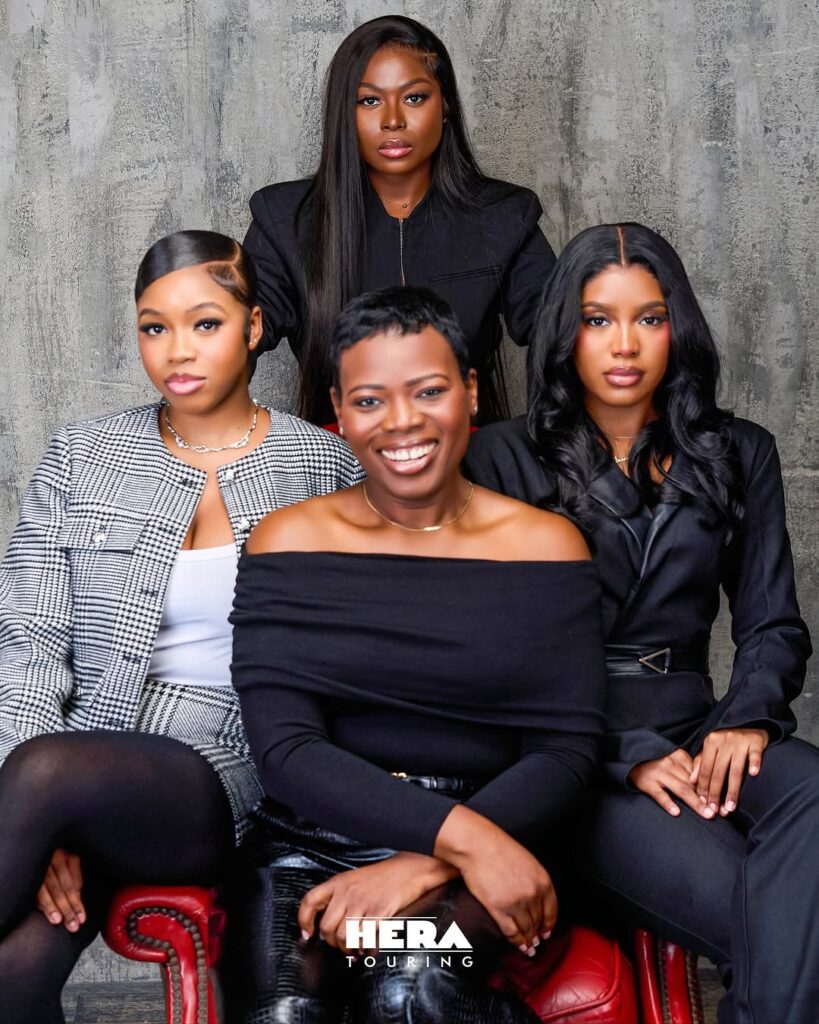
Before touring, Abi worked extensively in music video production, collaborating with her brother, renowned director Moe Musa. She produced hundreds of visuals, learning first-hand how to translate sound into powerful visual moments. But it was live touring where her impact would grow even bigger.
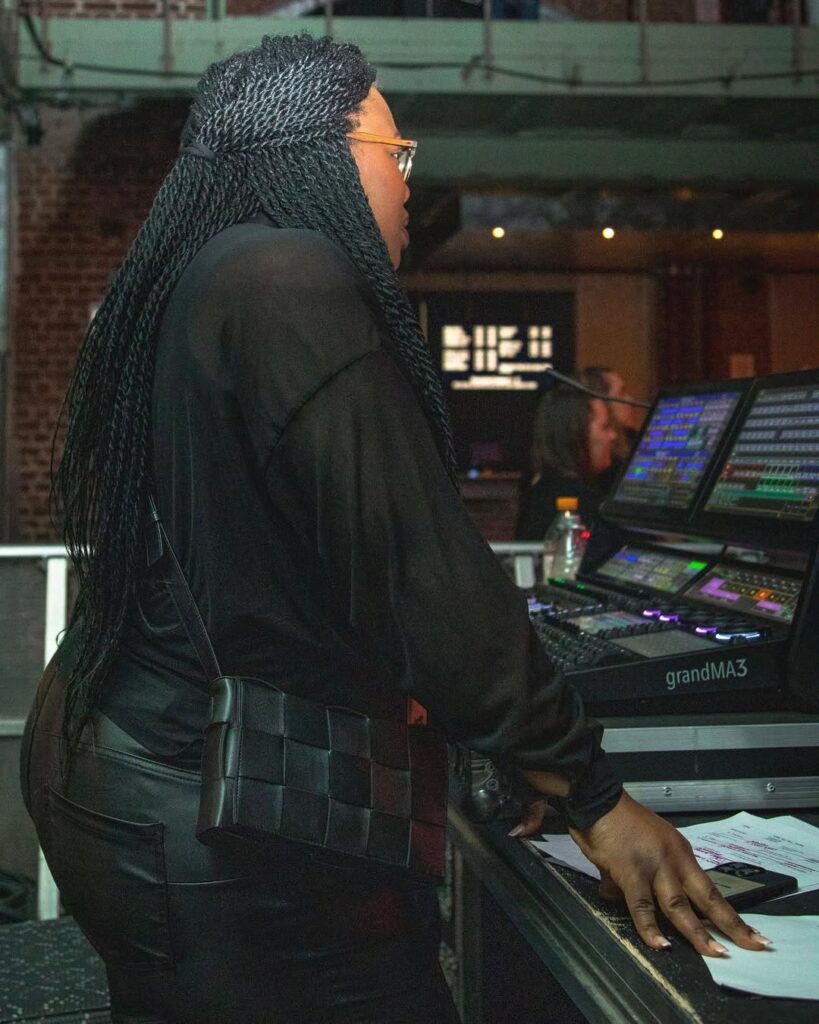
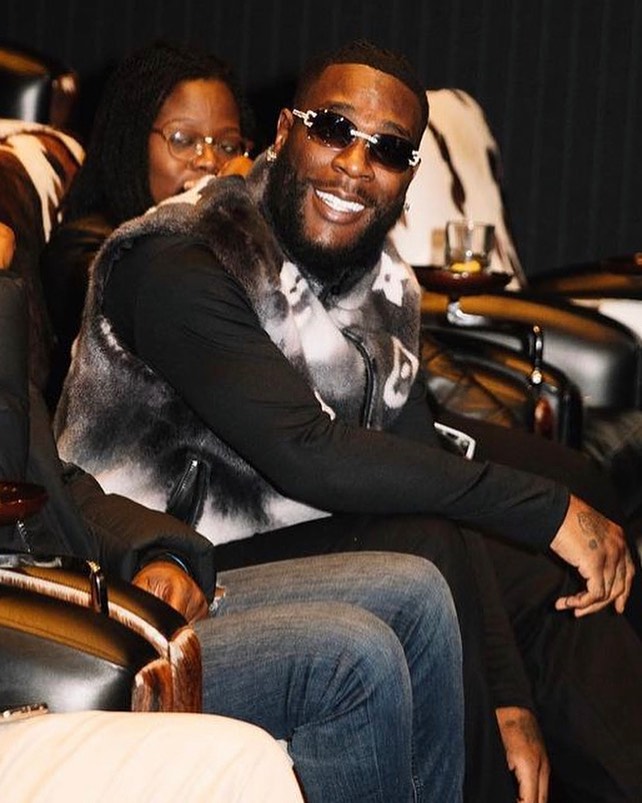
From grassroots shows with platforms like Coco Bar to founding her own company, Hera Touring, Abi gradually built a reputation for precision, creativity, and resilience. Today, she has led productions for global Afrobeat superstars including Burna Boy and Asake, and most recently handled production for Olamide’s sold-out OVO Wembley Arena show in London.
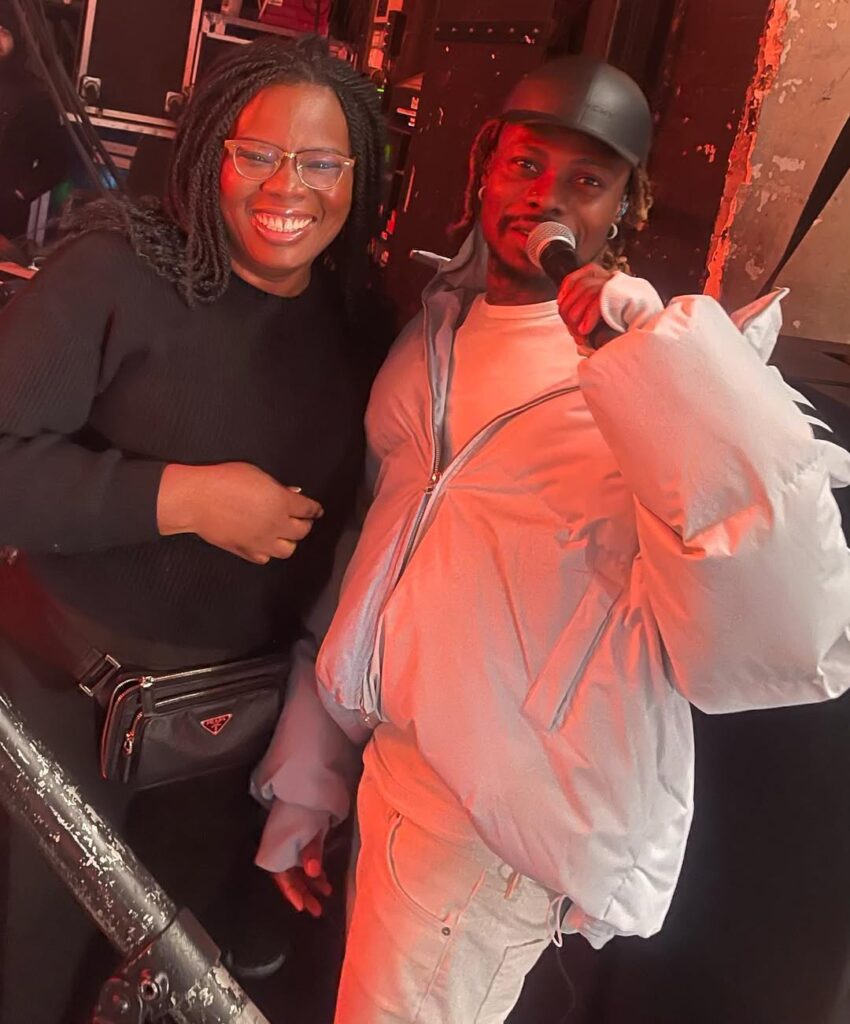
What makes Abi’s story even more significant is her position as a woman operating in a space traditionally dominated by men. From intentionally refusing to be sexualised early in her career earning the nickname “Aunty Abi” to leading crews of over 150 people, she has consistently chosen respect, professionalism, and authority over compromise.

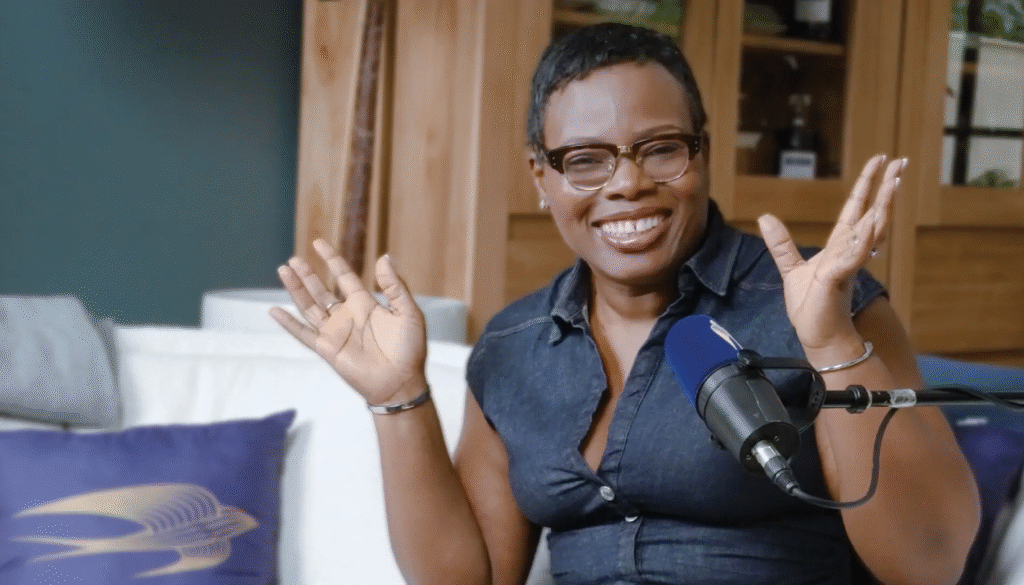
Babalola explained on the second episode of Martell’s SWIFT CONVERSATIONS, Aunty Abi– as she is fondly referred to– walks viewers through her career growths sharing tid–bits about navigating her way through as a self–taught touring manager and relieving stories from her marquee achievements. Her story was recently spotlighted in Swift Conversations, the Afrobeat-focused podcast series by Martell, hosted by Martell Cultural Ambassador – Sheniece Charway. The conversation was thoroughly revelatory both for it’s behind-the-scenes focus and the straightforward but Upbeat perspectives. In the episode, Abi offers a rare glimpse into the realities of live production: last-minute creative demands, high-pressure timelines, financial risks, and the logistics behind stadium-scale productions while discussing the trajectory of Afrobeat.

At the beginning of the episode, Babalola shares how she got into the music business through being around and working with JJC, the iconic British Nigerian artist who proudly bore the Nigerian flag in the UK music scene years before it was cool. From that early training ground, she explains her pivotal role in putting together the first Afrobeat festival in the UK back in 2011, leveraging street marketing tactics years before digital marketing became a big deal. She also talks about being in charge of Wizkid’s first UK tour in 2012, and bringing the Nigerian superstar to high schools.

In those years, she was also a video producer, working on Ayo Ibrahim Balogun aka Wizkid’s ”Azonto”, and David Adeleke aka Davido’s ”Skelewu”, the latter while she was heavily pregnant. With all these years of experience, Babalola shares advice that are organic, nuggets informed by real life problem-solving. “I would love to see more cohesiveness,” she says, explaining that many of the pitfalls Afrobeat artists fall into could be avoided if more people shared information, rather than working in silos.
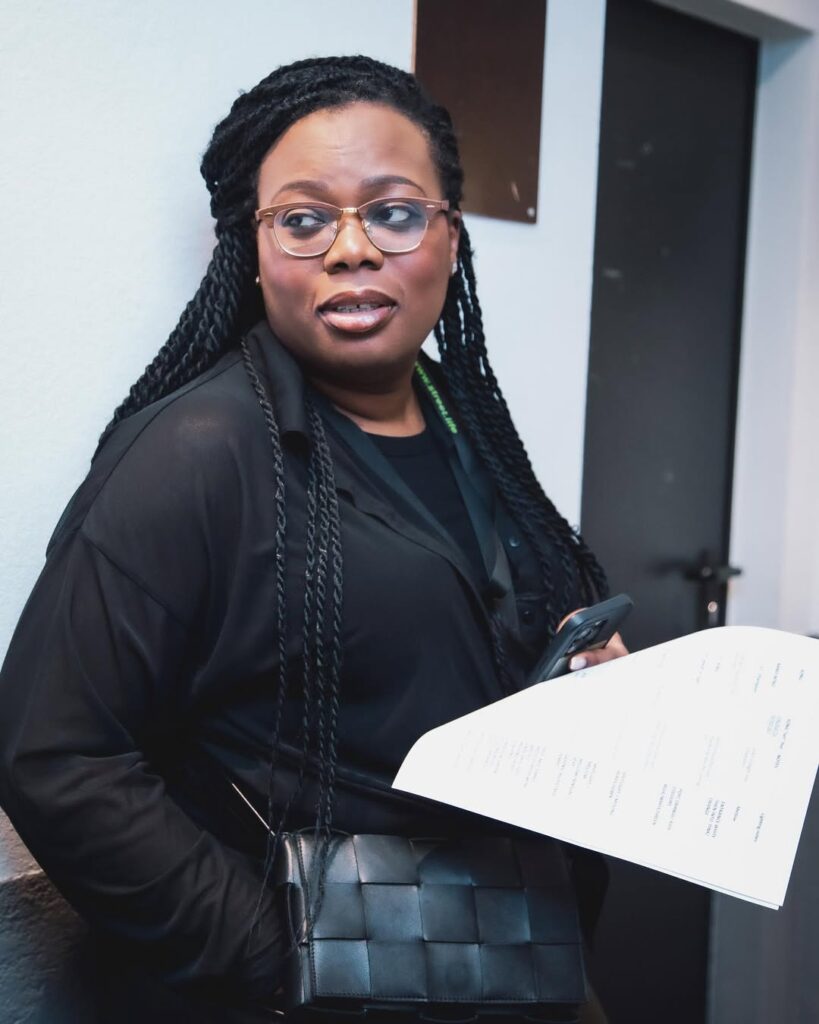
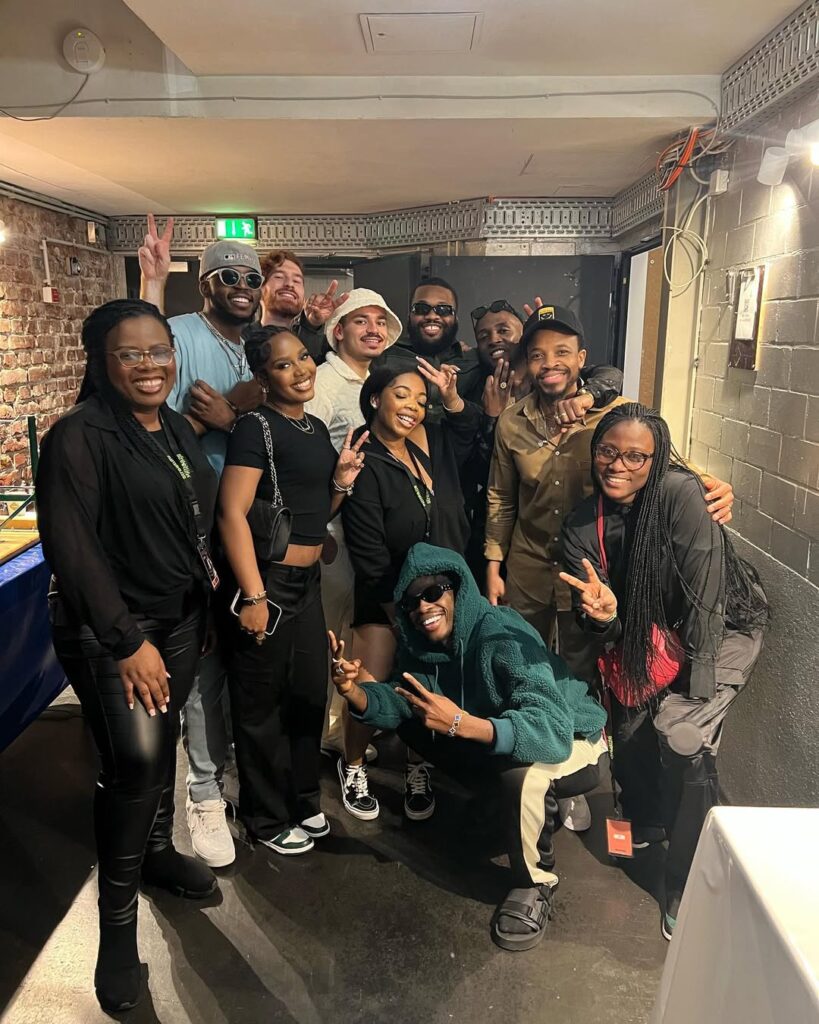
She also rejects the idea that Afrobeat could be headed for a decline, instead seeing the present as a recalibration. “If we allow it to be a phase, it will be a phase,” she says. “If we’re stubborn and we stick to our guns and know our values, it will never be a phase.”
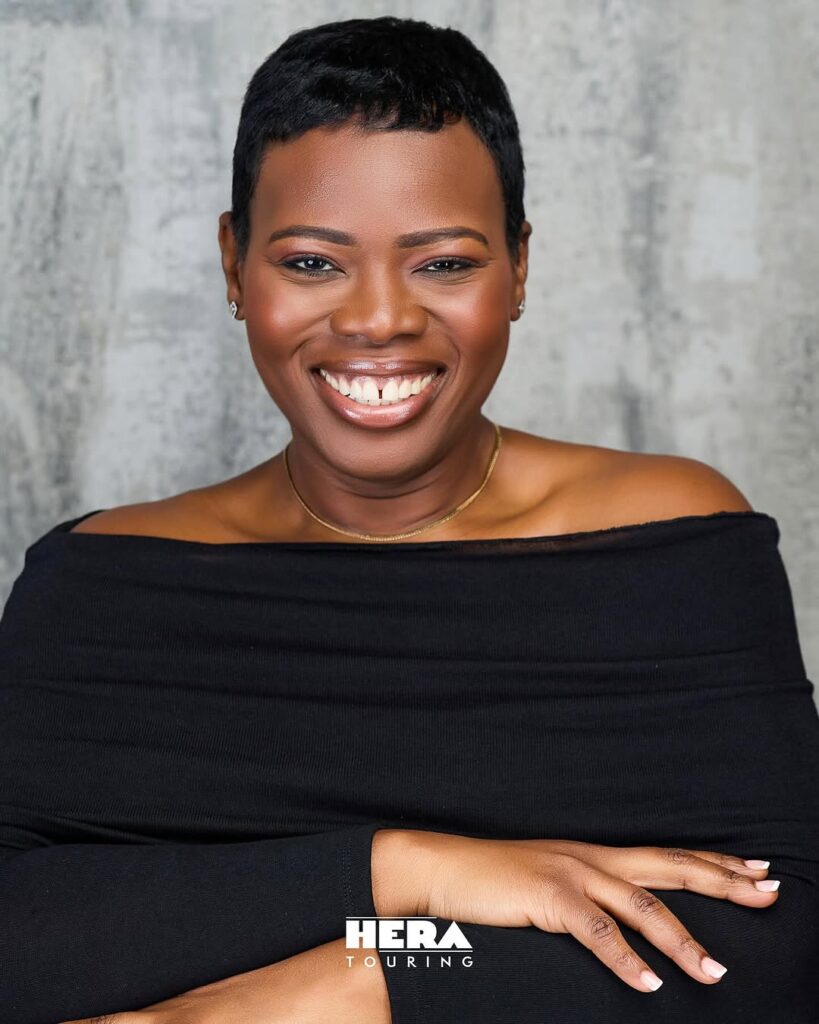
Much later in the episode, she uses the importance of collaboration between artist management teams and tour companies as an example of realigning, explaining the importance of adjusting prices to reflect the current global economic situation, in order to ensure artists are reaching the core audience that loves their work.
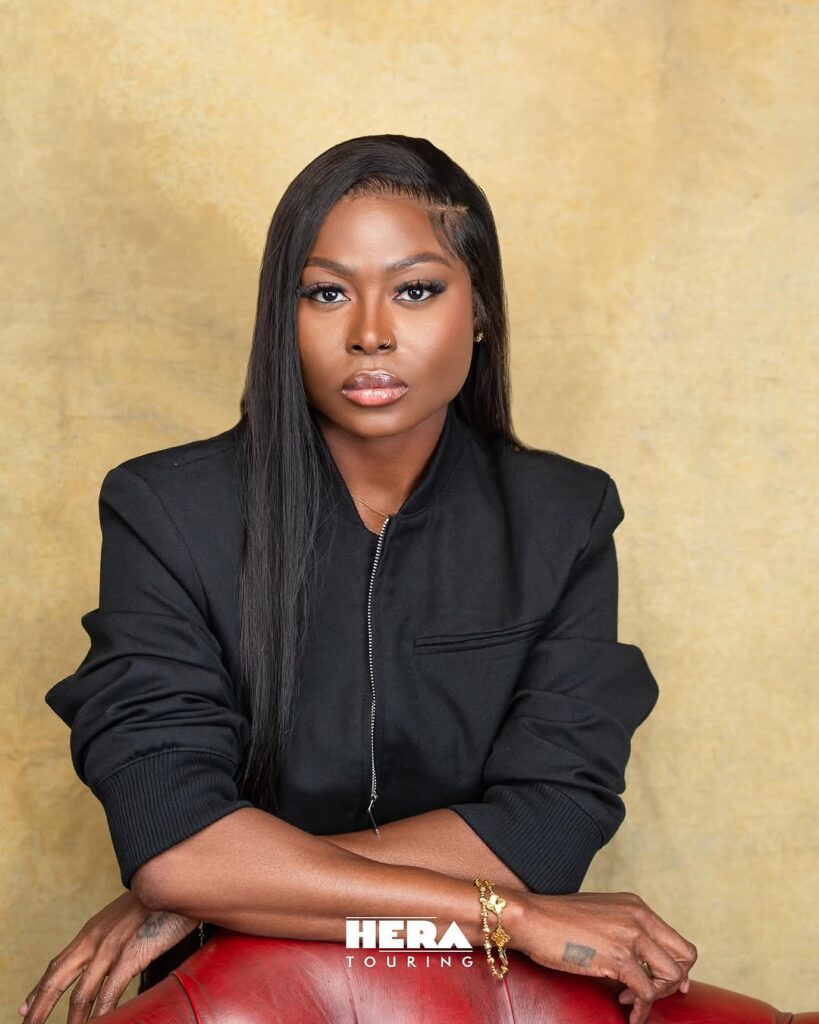
In between her well thought out proselytizing, Bablola shares her experience managing Ahmed Ololade aka Asake’s Lungu Boy Tour, representative of her process when she’s working on a tour with an artist. She explains the importance of speaking with artists and taking notes, curating stages that enhance the live show experience for both performers and audiences. She also discusses adaptability in the face of demands from artists and their creative directors, exhausting options, dealing with venues and other important nuances that have made her a successful executive so far.
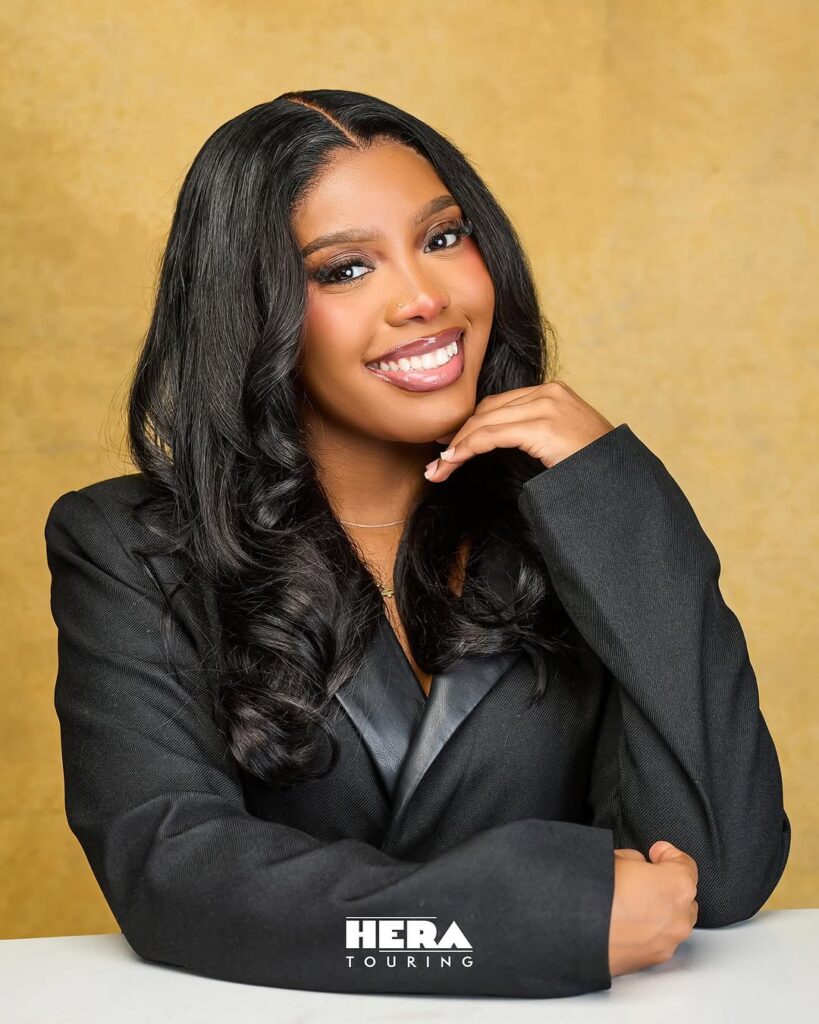
“I want my lesson, as Aunty Abi, to be someone that delivered,” she says at the end of an illuminating, breezy interview. It’s an aspiration already cast in stone.
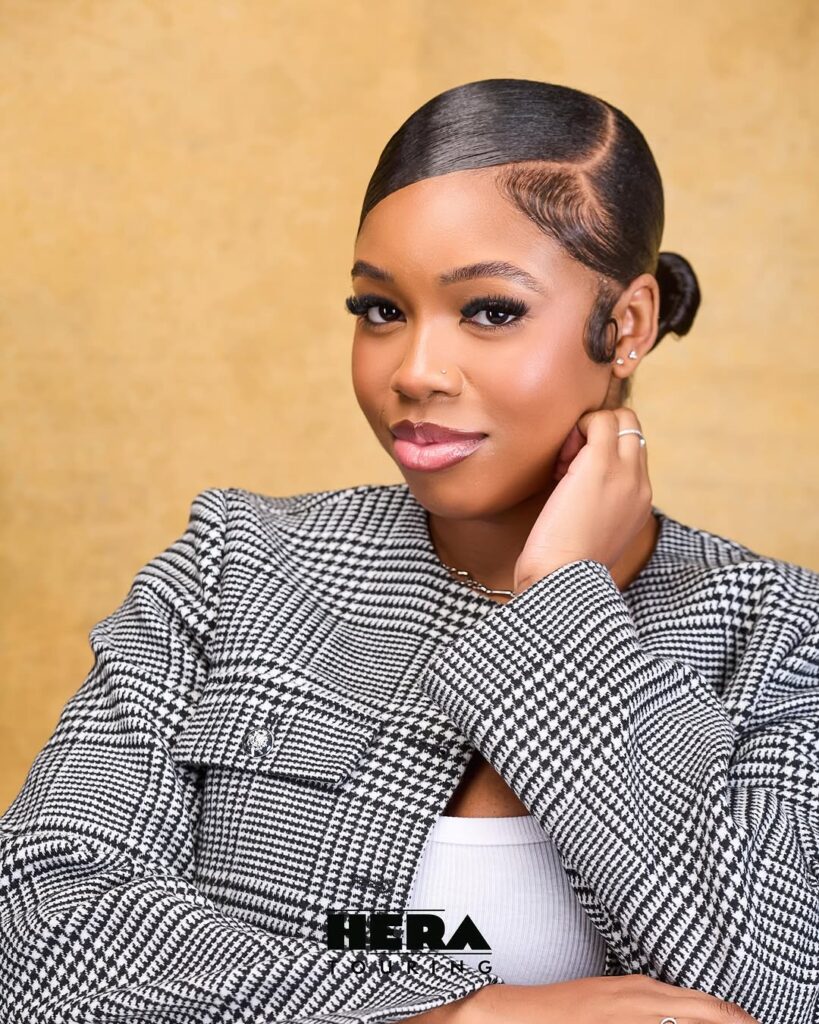
But beyond logistics, her story was gauged and moulded about infrastructure building systems, teams, and standards that allow Afrobeat to grow sustainably on the global stage. As Afrobeat continues to evolve as a global movement, figures like Abi Babalola are proving that the future of the culture is not only defined by those on the stage, but also by those who build the stage itself giving credits to the creative brainbox behind the heralding success of an afrobeat live stage event in diaspora.
